Embracing Your New Body After Baby
Post pregnancy body change is a personal journey. It took nine months to grow your baby, and research shows it takes at least 18 months for most women to fully recover. Some changes, like wider hips or stretch marks, may be permanent.
Key Postpartum Milestones:
- First 6 weeks: The body begins healing, the uterus shrinks, and hormones shift dramatically.
- 3-6 months: Muscle tone starts to restore, and energy levels gradually improve.
- 6-18 months: Most women return to their pre-pregnancy weight, though body composition may differ.
Recovery is not linear. In the first days, you’ll still have a soft belly, swelling, and hormonal shifts. This is all a normal part of the “fourth trimester,” the crucial healing period after birth. The cultural pressure to “bounce back” is unrealistic and ignores the reality of sleepless nights, healing, and caring for a newborn.
Some changes, like diastasis recti (abdominal separation) or significant skin laxity, may require targeted intervention. As Stanley Okoro, a double board-certified plastic surgeon specializing in mommy makeovers, I help women steer their post-pregnancy journey with compassion. My approach combines realistic expectations with advanced options for those ready to address concerns that lifestyle changes alone cannot resolve.

The First Six Weeks: Understanding the Fourth Trimester
Immediately after birth, your body enters the “fourth trimester,” a crucial six-week healing period where your post pregnancy body change begins. Your uterus starts shrinking (a process called involution) which can cause cramping, and you’ll experience a vaginal discharge called lochia that gradually lightens over several weeks.
Swelling in your hands, feet, and face is normal as your body sheds extra fluid. If you delivered vaginally, you’ll have perineal soreness, while C-section moms will focus on incision care. Around day three or four, your breasts will become full and tender as your milk comes in. Meanwhile, estrogen and progesterone levels plummet, affecting your mood and energy. The first three months are a time of restoration as your body works to return to its pre-pregnancy state. You can learn more about recovering from birth.
Physical and Emotional Changes
Profound exhaustion is normal, fueled by physical recovery and a newborn’s demands. Many new mothers experience the “baby blues”—temporary waves of sadness or irritability in the first two weeks due to hormonal shifts.
However, if these feelings persist or worsen, it could be Postpartum Depression (PPD), the most common complication for new mothers. PPD involves severe anxiety, persistent sadness, and exhaustion that interferes with your ability to care for yourself or your baby. Your emotional health impacts physical recovery; a 2008 study found that women with PPD were more likely to retain significant weight one year postpartum. Rest and accepting help are not luxuries—they are essential for healing.
When to Call Your Doctor
Your postpartum checkup, usually at 6-8 weeks, is vital for catching potential problems. You can find more info about your postnatal check to prepare.
Some symptoms require immediate medical attention. Call your doctor right away for:
- Fever
- Heavy bleeding (soaking more than one pad per hour)
- Severe pain or difficulty breathing
- Signs of infection (redness, swelling, or discharge at an incision site)
Your mental health is equally important. If feelings of sadness or overwhelm last longer than two weeks or intensify, contact your doctor or a mental health professional. Asking for help is a sign of strength.
Long-Term Body Changes: What to Expect in the Months Ahead
After the first six weeks, your post pregnancy body change enters a longer phase. While some changes reverse, others may become a permanent part of your new normal.
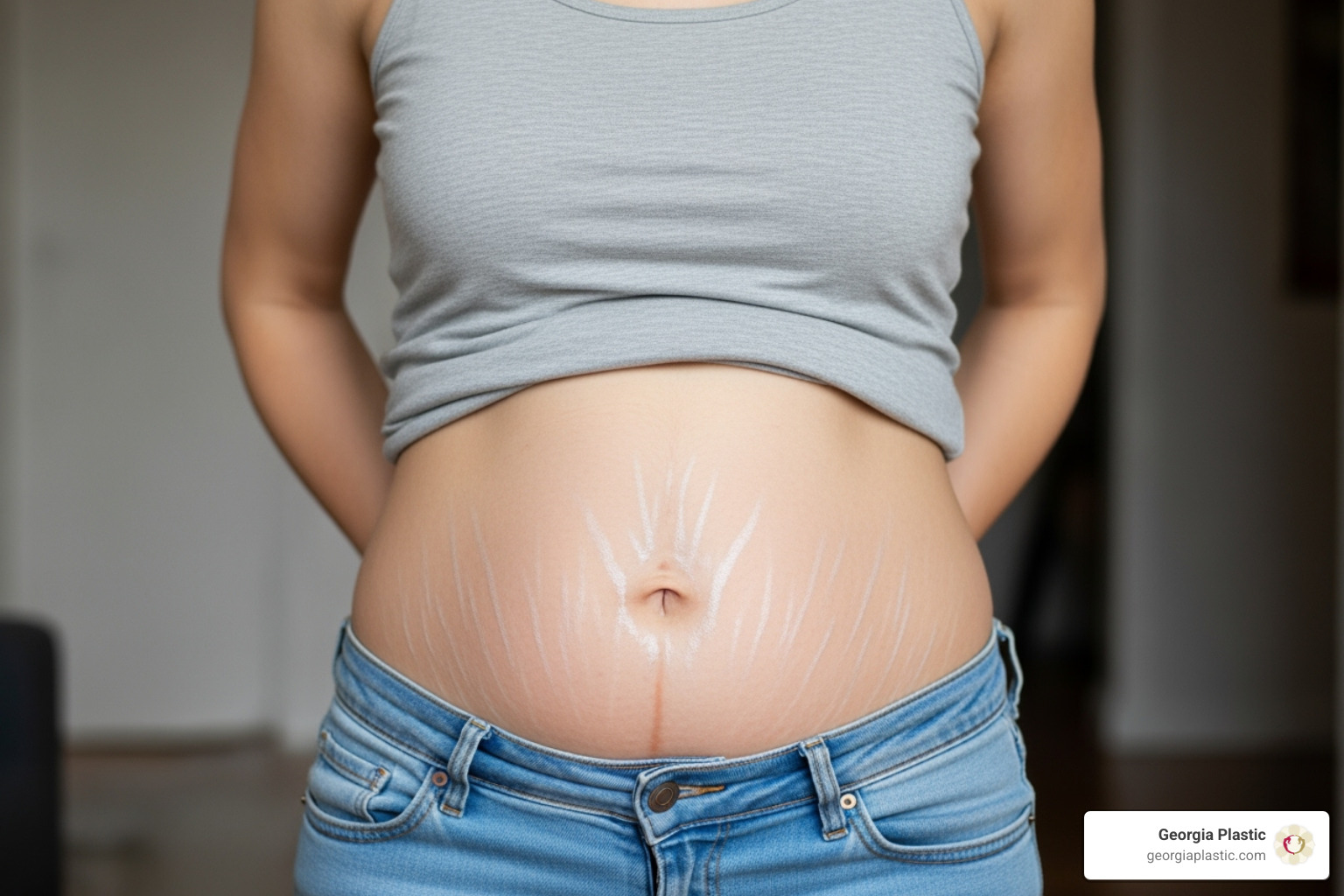
Weight retention is a common concern. It’s normal to have 10-15 pounds (or more) for months after delivery. Your skin elasticity also determines how your body looks; loose skin on the abdomen may not snap back on its own. Stretch marks on the abdomen, breasts, and hips will fade over time from red or purple to a silvery-white, but they won’t disappear completely. The linea nigra (dark belly line) usually fades as well.
Breast changes can be significant. After breastfeeding, milk-producing glands shrink, which can result in a smaller cup size and a less perky appearance. If these changes bother you, a Breast Lift can restore shape, while Breast Augmentation in Atlanta can address volume loss.
Hormonal and Structural Shifts
Your hormones continue to adjust for months. Many women experience temporary postpartum hair loss a few months after delivery, but it typically resolves within a year. The American Academy of Dermatology Association offers more information on this. Your menstrual cycle will also return, though it may be different than before. Structurally, you may notice permanently wider hips or even an increase in foot size. The physiology of postpartum changes is complex and affects each woman differently.
Lasting Abdominal and Pelvic Changes
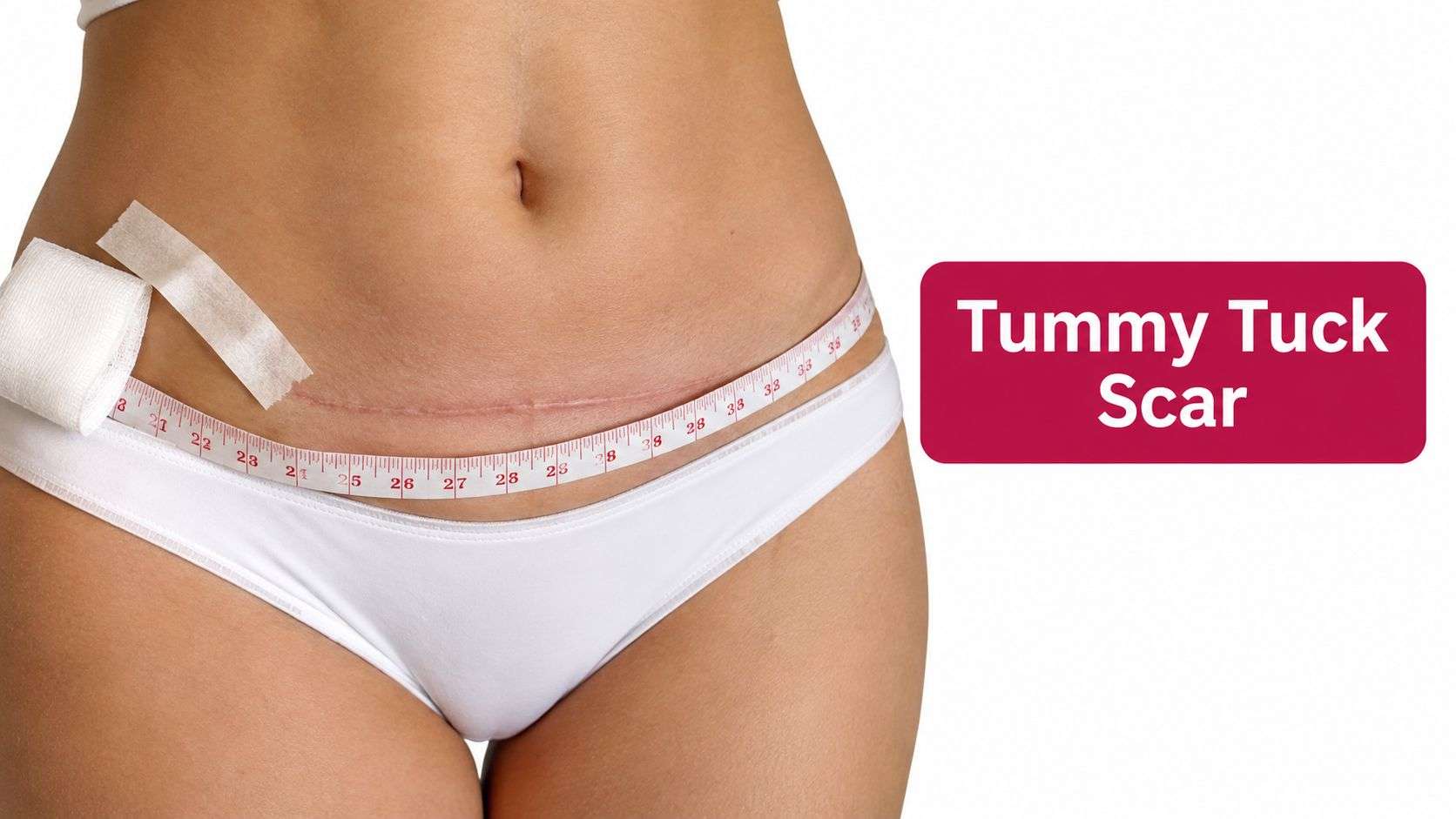
Two of the most significant long-term changes affect your core. Diastasis recti, the separation of abdominal muscles, affects up to 60% of women. While it often heals within 8 weeks, a persistent gap can leave a “pooch” that exercise can’t fix. When diastasis recti doesn’t resolve, a Tummy Tuck in Atlanta can surgically repair the muscles and remove excess skin.
Pelvic floor weakness is another common issue. Pregnancy and childbirth can weaken the muscles supporting your bladder, bowel, and uterus, as shown in research on pelvic alignment changes. This can lead to incontinence (leaking urine when you cough, sneeze, or exercise) or a feeling of pelvic pressure. While pelvic floor exercises help, significant weakness may require physical therapy or other interventions. These issues are treatable, and you don’t have to accept them as your new normal.
A Holistic Approach to Your Post-Pregnancy Body Change
Your post pregnancy body change is about more than what you see in the mirror; it’s about feeling healthy and strong. The pressure to “bounce back” is a myth that ignores the profound journey your body has completed. Instead of trying to return to who you were, focus on “bouncing forward”—becoming a new, stronger version of yourself with patience and self-compassion.

Nutrition and Hydration
Your body is working overtime to heal and, if you’re nursing, produce milk. Fuel it with nutrient-dense foods like lean proteins, healthy fats, whole grains, and fresh fruits and vegetables. Breastfeeding mothers need an extra 300-500 calories per day, as noted by the NICHD regarding calories when lactating. Keep healthy, grab-and-go snacks available and stay hydrated, especially if you’re nursing. Limiting processed foods and sugar helps avoid energy crashes.
Exercise and Movement
Always get clearance from your OB-GYN before resuming exercise, typically around your six-week checkup. Start slowly with gentle activities like walking. The hormone relaxin can remain in your system for months, increasing injury risk if you push too hard too soon.
- Pelvic floor exercises (Kegels) are crucial for preventing incontinence. The Chartered Society of Physiotherapists offers guidance on proper technique.
- For diastasis recti, specific core-strengthening exercises are needed. Avoid traditional crunches, which can worsen the separation. A physical therapist can guide you.
- Exercising while breastfeeding is safe and doesn’t affect milk supply. Listen to your body and stop if you feel pain or dizziness.
The Crucial Role of Sleep and Mental Health
Sleep deprivation can sabotage your recovery. A 2008 study found that new mothers who slept less than five hours a day were more likely to retain significant pregnancy weight. Prioritize rest whenever possible—even a 20-minute nap helps. Accept help from your partner and support system.
It’s common to struggle with your body image during this time. Talk to your partner and other new moms about how you’re feeling. Simple stress management techniques like deep breathing or a short walk can make a difference. If you experience persistent negative feelings or overwhelming anxiety, seek professional help. Many therapists specialize in postpartum mental health. Taking care of your mind is essential for taking care of your body.
When to Consider Professional Help for Your Post-Pregnancy Body Change
While lifestyle changes are powerful, sometimes you need extra support for your post pregnancy body change. Recognizing when to seek professional help is a sign of strength.
For issues like persistent diastasis recti, pelvic floor weakness, or chronic back pain, a physical therapist specializing in postpartum recovery can be invaluable. But what about changes that therapy and exercise can’t fix, like loose abdominal skin or stubborn fat deposits? This is when consulting a board-certified plastic surgeon is a valid next step. If you’re wondering if cosmetic procedures are for you, our guide Is a Mommy Makeover Right for You? can help.

Non-Surgical and Minimally Invasive Options
Not every concern requires surgery. For mild to moderate skin laxity, skin tightening treatments using radiofrequency or ultrasound can help stimulate collagen and firm up skin. For newer, red or purple stretch marks, microneedling can improve their appearance by encouraging new collagen growth. For localized fat pockets that resist diet and exercise, liposuction is a body contouring procedure that sculpts areas like the abdomen, flanks, or thighs for a more refined silhouette.
Surgical Options for Your Post-Pregnancy Body Change
For more significant changes, a “Mommy Makeover”—a customized combination of surgical procedures—offers the most dramatic results. Common procedures include:
- Tummy Tuck (Abdominoplasty): This is often the cornerstone of a mommy makeover. It removes excess, sagging skin and, crucially, repairs separated abdominal muscles (diastasis recti), resulting in a flatter, firmer abdomen and a stronger core.
- Breast Lift or Augmentation: A breast lift (mastopexy) reshapes and lifts sagging breasts. Breast augmentation restores lost volume. The two can be combined to achieve a youthful, proportionate contour.
- Liposuction: This is often used with other procedures to further refine body contours by removing stubborn fat from the hips, thighs, or other areas.
Every procedure is custom to your unique goals. We’ve created resources like What is Included in a Mommy Makeover? and 5 Questions to Ask During Your Mommy Makeover Consultation in Atlanta to help you prepare. The decision to pursue surgery should come from a place of self-care, helping you feel confident in the body that gave you a miracle.
Frequently Asked Questions about Postpartum Body Changes
Navigating your post pregnancy body change brings up many questions. Here are answers to some of the most common concerns we hear.
How long does it really take to recover from pregnancy?
Recovery is a marathon, not a sprint. While initial healing and clearance for normal activities happen around 6-8 weeks, full recovery takes much longer. For most women, returning to their pre-pregnancy weight can take 12 to 18 months. The emotional adjustment to motherhood has its own timeline. Be patient with your body and mind during this extended period of change.
Can I get my pre-baby body back?
While you can achieve a strong, healthy body after pregnancy, it may not be identical to your pre-baby body. Some changes, like wider hips, a C-section scar, or different breast shape, may be permanent. Instead of focusing on “getting back,” we encourage you to bounce forward. The goal is to build a body that makes you feel confident and strong now, not to erase the evidence of the incredible journey you’ve completed.
What is diastasis recti and will it go away on its own?
Diastasis recti is the separation of the abdominal (“six-pack”) muscles, which is very common during pregnancy. For many women, this gap narrows on its own within eight weeks postpartum, especially with targeted core exercises. However, if the separation remains significant after a few months, it is unlikely to resolve completely without help. A physical therapist can provide exercises to help, but for more severe cases that cause a “pooch” or core weakness, a tummy tuck is the most effective solution to surgically repair the muscles.
Conclusion: Love the Body That Gave You a Miracle
Your post pregnancy body change is a testament to the incredible journey of creating life. The body you have now is remarkable, and every change is part of your unique story. While the postpartum path isn’t always easy, it’s crucial to prioritize your health and well-being over the unrealistic “bounce back” culture.
Focus on feeling strong, healthy, and confident in your own skin. Every woman’s experience is different, and all paths are valid. At Georgia Plastic & Reconstructive Surgery, we understand that sometimes feeling your best means addressing physical concerns that persist despite your best efforts.
Dr. Okoro and our team specialize in helping mothers steer their post-pregnancy journey with compassion and expertise. We offer personalized care to help you achieve natural-looking results, whether you’re considering a Mommy Makeover or other procedures. There is no pressure and no judgment—only support for the decision that feels right for you.
If you’re ready to explore how we can help you feel more like yourself again, we invite you to learn more about our Mommy Makeover procedures. We are committed to helping you feel confident in the body that gave you a miracle.