
Why Loose Abdominal Skin Happens After Weight Loss
If you’re looking to tighten loose abdominal skin, you have several options depending on your skin’s laxity:
Quick Answer: Your Options for Tighter Abdominal Skin
- Mild Laxity – Lifestyle changes (diet, hydration, strength training) and topical creams with retinoids.
- Moderate Laxity – Non-surgical treatments like radiofrequency (RF), ultrasound (HIFU), or laser therapy (4-6 sessions).
- Severe Laxity – Surgical procedures like a tummy tuck (abdominoplasty) for dramatic, permanent results.
After working hard to lose weight or recover from pregnancy, you might face a new challenge: loose, sagging skin on your stomach that doesn’t bounce back. This is very common. When skin stretches significantly, the collagen and elastin fibers that provide its elasticity can become damaged. Research shows that weight loss of 100 pounds or more typically results in more loose skin than moderate weight loss.
The good news is you have options, from lifestyle adjustments to medical procedures. The right choice depends on the amount of loose skin, your budget, and your desired timeline. Some people see improvement through strength training and nutrition alone. Others need professional treatments like radiofrequency or laser therapy, which show results after 4-6 sessions. For those with significant excess skin, surgery may be the most effective solution.
This guide walks you through everything from at-home remedies to surgical procedures, so you can make an informed decision for your body.
Understanding Why Abdominal Skin Loosens
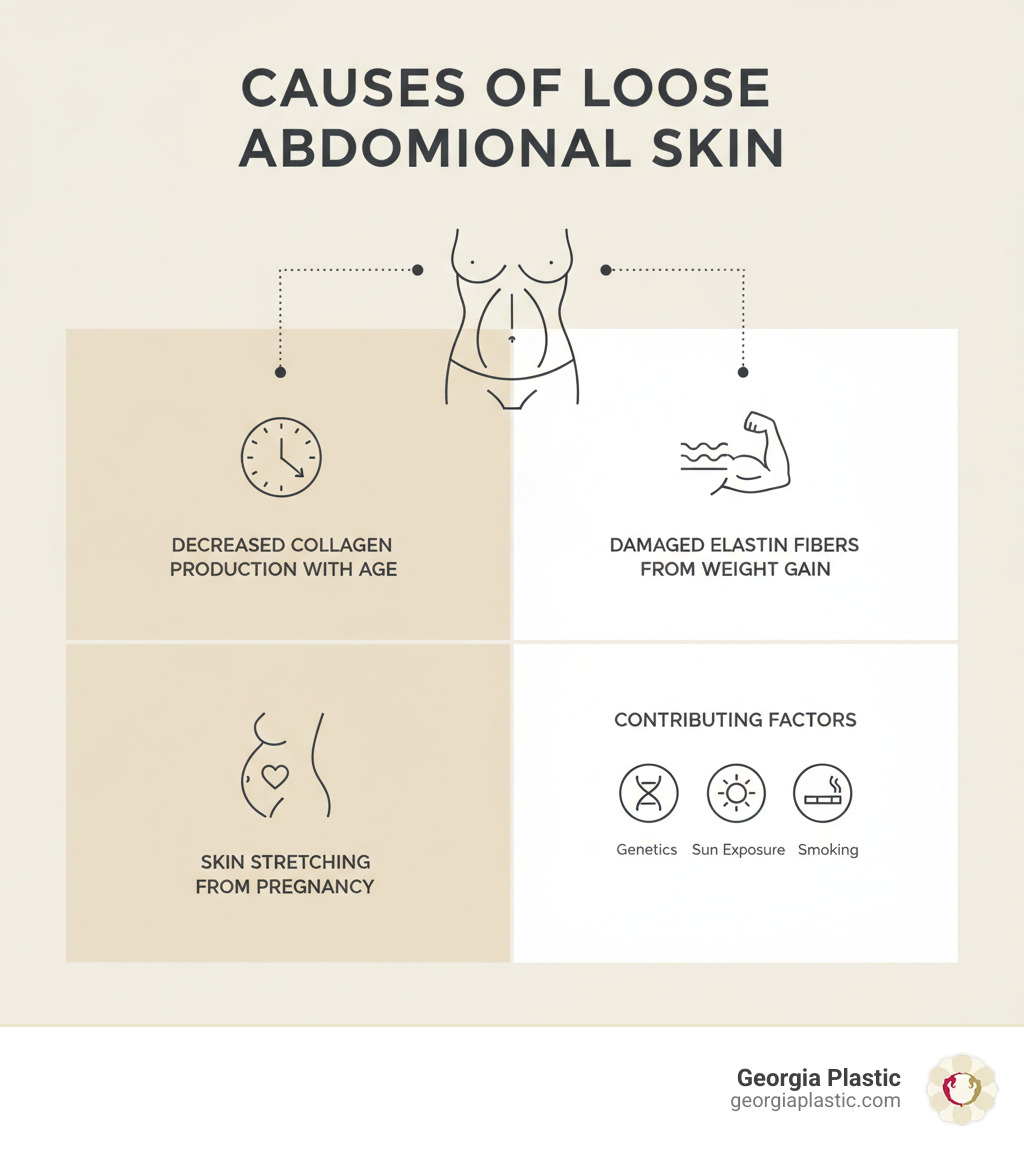
Think of your skin’s elasticity like a rubber band. When stretched too far or for too long, it can lose its ability to snap back. This elasticity comes from two proteins in the dermis layer: collagen provides structure and strength, while elastin allows skin to stretch and retract.
When you gain weight, especially quickly or for a long time, these collagen and elastin fibers can be damaged. They stretch and lose their ability to retract when you lose weight. This is particularly true for people who’ve lost 100 pounds or more, as the skin has been stretched significantly.
Pregnancy creates a similar situation, expanding the abdomen over nine months. While skin often tightens somewhat after delivery, many women are left with some degree of looseness.
Besides weight changes, several other factors influence your skin’s firmness:
- Aging: As you get older, your body naturally produces less collagen and elastin. The science of skin aging shows this decline accelerates after age 20, meaning a younger person’s skin typically recovers better from weight loss than an older person’s.
- Genetics: Some people are simply born with more resilient, elastic skin. If loose skin runs in your family, you may be more prone to it.
- Sun exposure: UV rays penetrate the dermis, breaking down collagen and elastin over time. Years of sun damage can make it harder to tighten loose abdominal skin naturally.
- Smoking: This habit reduces blood flow to the skin, starves it of oxygen, and directly attacks collagen production. Smokers often develop loose skin faster than non-smokers.
Understanding these factors helps explain why tightening loose stomach skin isn’t always as simple as doing more crunches and may require professional help.
Lifestyle and At-Home Strategies for Mild Laxity
For mild abdominal skin laxity, simple lifestyle changes can make a real difference. Consistency and realistic expectations are key, as these approaches work gradually. One of the most important steps is maintaining a stable weight. Constant weight fluctuations from yo-yo dieting can further damage collagen and elastin, making loose skin worse. Staying at your goal weight gives your skin the best chance to adapt.
Diet and Hydration for Skin Elasticity
Your skin’s health and elasticity depend on your diet. To tighten loose abdominal skin, you must provide it with the right nutrients to build collagen from the inside out.
- Protein: Provides the amino acids needed to build new collagen. Good sources include lean meats, fish, eggs, dairy, and beans.
- Vitamin C: This antioxidant is crucial for collagen synthesis, as documented by the role of Vitamin C in protein synthesis. Find it in citrus fruits, berries, broccoli, and bell peppers.
- Omega-3 Fatty Acids: Found in fatty fish like salmon, flaxseeds, and walnuts, these fats can increase skin elasticity.
Staying well-hydrated is also vital. Drinking enough water keeps skin cells plump, which can improve texture and appearance. Research suggests that proper hydration can also support weight management and significantly improve skin function.
The Role of Exercise and Strength Training
While exercise alone won’t erase significant loose skin, it plays a crucial supporting role. When you lose fat, the skin can appear loose. By building muscle through strength training, you fill that space with firm, toned tissue, making the skin appear smoother and tighter.
Core-strengthening exercises are particularly effective. Aim for 2-3 strength training sessions per week. Consider incorporating:
- Planks: Engage your entire core, including the deep transverse abdominis muscle that acts like a natural corset.
- Leg Raises: Target the lower abdominal muscles.
- Russian Twists: Work your obliques to help define your waistline.
- Crunches: Strengthen the rectus abdominis (the “six-pack” muscles).
Building this firm foundation helps tighten loose abdominal skin from beneath.
Topical Creams and Serums: What Really Works?
Many firming creams promise to tighten loose abdominal skin, but it’s important to separate fact from marketing hype. Most of these creams are powerful moisturizers that temporarily plump skin cells, making fine lines less noticeable. This effect is subtle and temporary.
Collagen and elastin molecules are too large to penetrate the skin’s outer layers, so creams claiming to add them directly are unlikely to work. Collagen must be built from within.
However, some ingredients can help. Retinoids (vitamin A derivatives) can boost collagen production over time with consistent use. Hyaluronic acid is a powerful hydrator that makes skin appear plumper and smoother. While these creams won’t deliver surgical-level results, they can be a valuable part of your routine for modest improvements.
Professional Ways to Tighten Loose Abdominal Skin
When diet and exercise aren’t enough, professional treatments can deliver more dramatic results for loose abdominal skin. Consider seeking professional help if loose skin causes physical discomfort like chafing or rashes, or if it affects your confidence and mental health. Nearly half of people who’ve had significant weight loss surgery experience skin-related issues. If you’ve tried at-home methods for months without success, it may be time for the next step.
Always consult with a board-certified plastic surgeon or dermatologist. They can evaluate your situation, understand your goals, and recommend the safest, most effective approach.
Non-Surgical Treatments to Tighten Loose Abdominal Skin
For mild to moderate skin laxity, non-surgical treatments are a great option. They use controlled energy to trigger your body’s natural healing response, encouraging new collagen and elastin production with minimal downtime.
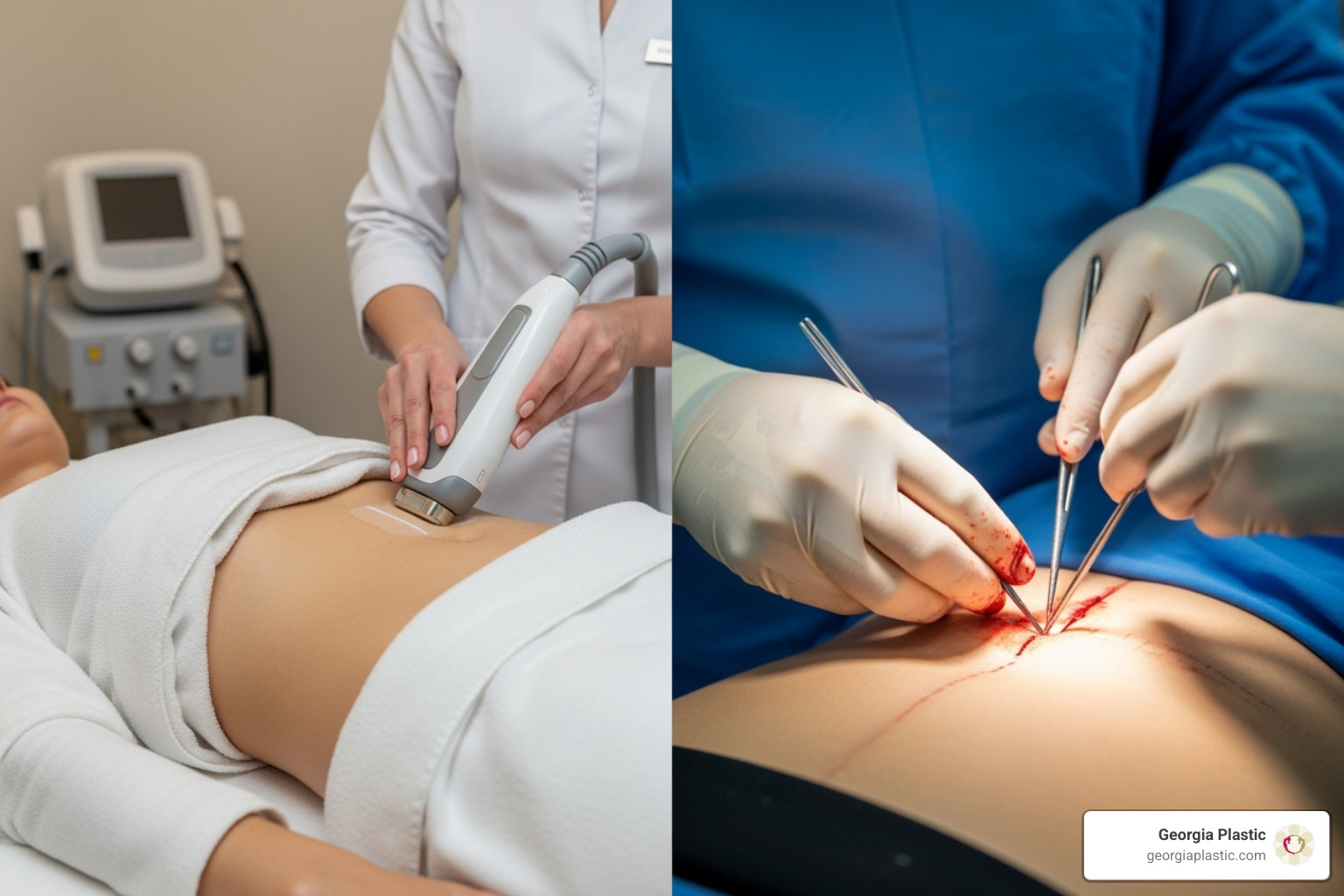
- Radiofrequency (RF) therapy (e.g., Profound® RF, Morpheus8®, Thermage®) uses energy to heat the skin, causing existing collagen to contract and stimulating new growth. Results appear over months and can last for years.
- Ultrasound therapy (e.g., Ultherapy®) uses focused ultrasound energy to heat deep skin layers, stimulating robust collagen production. Results appear over 2-6 months and can last up to a year.
- Laser skin tightening uses light energy to heat deep skin layers, contracting collagen and promoting new growth. Optimal results typically require 4-6 sessions.
These treatments involve little to no downtime, though temporary redness or swelling may occur. Results are gradual as your body builds new collagen. Risks are minimal when performed by a qualified provider.
Surgical Procedures for Significant Skin Laxity
For substantial excess skin, especially after losing 100+ pounds or multiple pregnancies, surgery offers the most transformative and lasting solution to tighten loose abdominal skin.
- An abdominoplasty (tummy tuck) is a comprehensive procedure that removes excess skin and fat while tightening the underlying abdominal muscles (repairing diastasis recti). It creates a smoother, firmer abdominal contour and is often part of post-weight loss body-contouring surgery.
- A panniculectomy specifically removes the “pannus,” the large flap of excess skin and fat that hangs over the abdomen and can cause discomfort and hygiene issues. It does not tighten muscles.
The benefits are dramatic and long-lasting. However, surgery requires significant recovery time (2-4 weeks or more) and will result in permanent scars. As with any surgery, there are risks like infection, bleeding, and poor wound healing. Choosing an experienced, board-certified plastic surgeon is crucial.
Comparing Your Options: Non-Surgical vs. Surgical
Understanding the differences helps you make the right choice for your body.
| Feature | Non-Surgical Treatments (RF, Ultrasound, Laser) | Surgical Procedures (Tummy Tuck, Panniculectomy) |
|---|---|---|
| Best For | Mild to moderate skin laxity | Severe loose skin, significant excess skin |
| Invasiveness | Non-invasive to minimally invasive | Invasive (requires incisions and general anesthesia) |
| Results Timeline | Gradual, over weeks to months | Immediate, with full results after swelling subsides |
| Downtime | Little to none | Significant (weeks to months) |
| Scarring | None or minimal | Permanent, can be extensive |
| Number of Treatments | Multiple sessions (e.g., 4-6) required | Typically a single procedure |
| Cost | Generally lower per session | Higher overall cost |
| Risks | Low (temporary redness, swelling) | Higher (infection, bleeding, anesthesia risks) |
Frequently Asked Questions about Tightening Stomach Skin
You’re not alone in wondering about your options for addressing loose abdominal skin. These are the questions we hear most often from people just like you who are looking for answers.
Can you really tighten loose skin without surgery?
Yes, for mild to moderate loose skin. Non-surgical procedures like radiofrequency, ultrasound, and laser treatments can stimulate your body’s natural collagen production to improve skin elasticity over time. When combined with a healthy lifestyle, many people see noticeable improvements. However, these methods cannot remove large amounts of sagging skin, so they won’t produce the same dramatic results as surgery for severe laxity. Setting realistic expectations is key.
How much weight loss causes loose skin?
There’s no exact number, as it depends on multiple factors. While losing 100 pounds or more often results in more pronounced loose skin, your personal experience will vary. Key factors include:
- How quickly you lost the weight: Rapid loss gives skin less time to retract.
- Your age: Younger skin has more natural elasticity.
- Genetics: Some people are simply predisposed to more resilient skin.
- How long you carried the extra weight: Prolonged stretching can permanently damage skin’s elastic fibers.
Do firming creams actually work to tighten loose abdominal skin?
Firming creams deliver subtle results at best. They primarily act as powerful moisturizers, which can temporarily plump skin and make minor laxity less noticeable. This is a temporary cosmetic improvement, not true tightening. The collagen and elastin molecules in these creams are too large to penetrate the skin’s barrier to create a significant lifting effect. However, ingredients like retinoids (which can boost your skin’s own collagen production over time) and hyaluronic acid (for hydration) can improve overall skin texture and appearance. They are best seen as a supportive part of your routine, not a solution for moderate to severe laxity.
Your Path to a Firmer Abdomen
As you’ve seen, there’s no single solution to tighten loose abdominal skin. The best path forward depends on your unique situation and degree of skin laxity.
- For mild laxity, a dedicated lifestyle of strength training, a collagen-boosting diet, and a good skincare routine can yield gradual improvements.
- For moderate laxity, non-surgical treatments like radiofrequency or ultrasound therapy offer a middle ground, providing real results without the downtime of surgery.
- For significant excess skin that causes discomfort or distress, surgery is often the most effective and life-changing answer.
What matters most is that consultation is crucial. Research is a great start, but it cannot replace a personalized evaluation from a qualified professional who can assess your needs and recommend the best treatment for you.
At Georgia Plastic & Reconstructive Surgery, Dr. Okoro and our team in Atlanta, GA, believe in honest conversations and realistic expectations. We are here to create a plan that helps you feel confident and comfortable in your own skin, not to push a specific procedure. We’ll listen to your story, answer your questions, and map out a personalized approach to help you achieve your goals.
Whether you’re considering a mommy makeover, exploring options after weight loss, or are simply curious about what’s possible, we invite you to talk with us.
Ready to take the first step? Start your journey with a Mommy Makeover consultation and let’s find what’s possible for your body together.


