
What You Should Know Before Getting a Panniculectomy After Weight Loss
Panniculectomy after weight loss is a surgical procedure that removes the heavy apron of excess skin and fat hanging from the lower abdomen — a common result of losing 100 pounds or more.
Here’s a quick overview of what to know:
| Topic | Key Facts |
|---|---|
| What it is | Surgery to remove hanging abdominal skin and fat (pannus) |
| Who it’s for | Adults with stable weight after major weight loss or bariatric surgery |
| Best timing | 12–18 months after bariatric surgery; weight stable for at least 6 months |
| Medical vs. cosmetic | Primarily functional — often covered by insurance when medically necessary |
| Surgery time | 1–3 hours; may require 1–2 nights in hospital |
| Recovery | Return to light activity in 1–2 weeks; avoid strenuous exercise for 6 weeks |
| Key risks | Seroma, wound healing issues, infection — higher risk if BMI remains elevated |
| Long-term results | Permanent if weight stays stable |
Losing a significant amount of weight is a major achievement. But for many people, the journey doesn’t end there. A large fold of excess skin can remain — hanging over the hips, thighs, and groin — causing chronic rashes, hygiene problems, and difficulty moving comfortably. Despite diet and exercise, this skin cannot shrink back on its own.
That’s where panniculectomy comes in. It’s not a cosmetic shortcut. It’s a reconstructive procedure designed to restore function, comfort, and quality of life for people who have already done the hard work of losing weight.
This guide covers everything you need to make an informed decision — from candidacy and insurance coverage to surgical technique, recovery, and long-term results.
I’m Dr. Stanley Okoro, a double board-certified plastic surgeon and founder of Georgia Plastic and Reconstructive Surgery, with extensive experience performing panniculectomy after weight loss for patients across Atlanta and beyond. My goal in this guide is to give you clear, honest information so you can move forward with confidence.
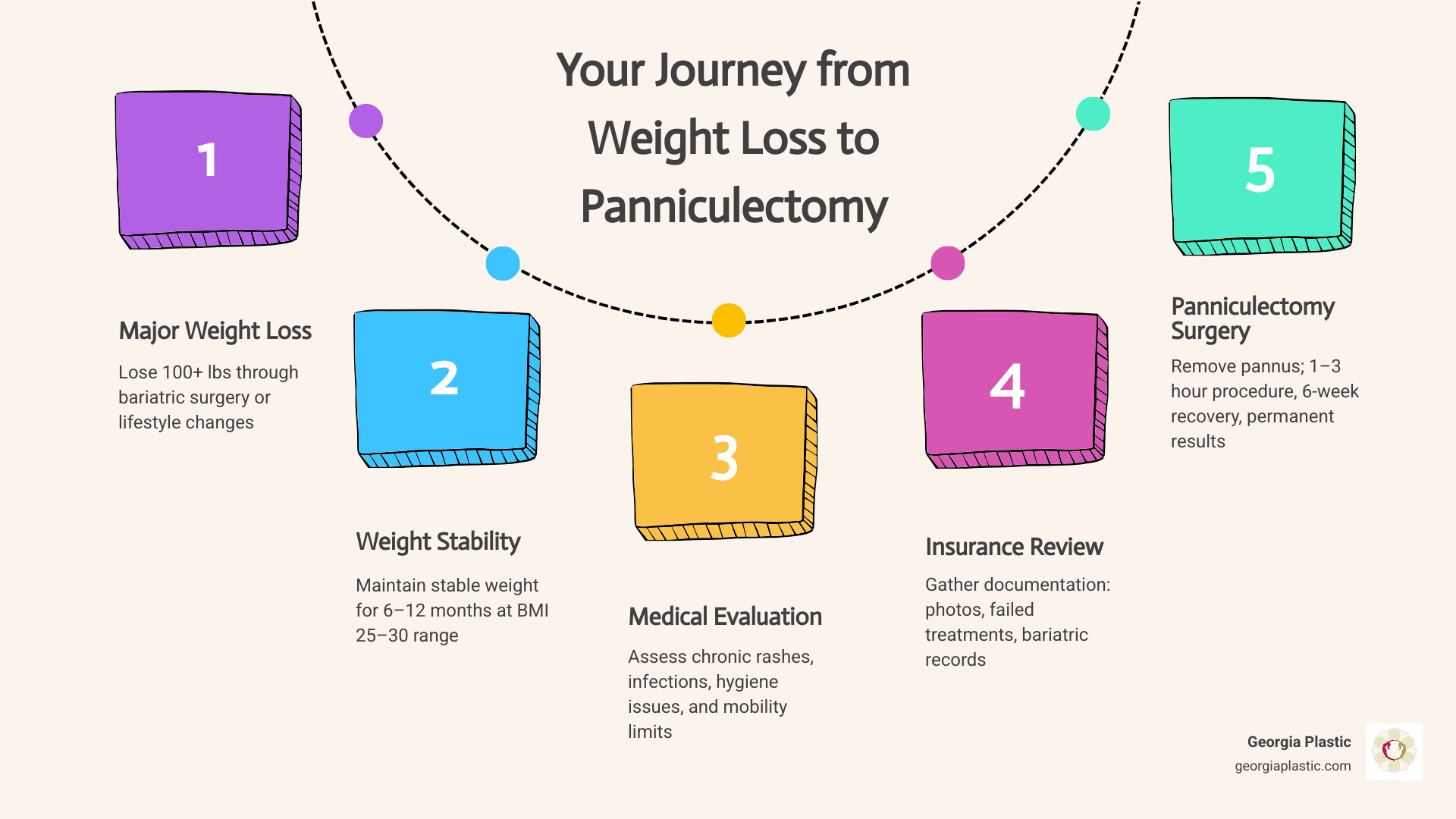
Panniculectomy after weight loss terminology:
What Is Panniculectomy After Weight Loss?
A panniculectomy is a major operation that removes the overhanging skin and fatty tissue of the lower abdomen, often called a pannus or “apron belly.” After major weight loss, this tissue may hang below the pubic area, rub against the thighs, trap moisture, and make everyday life much harder than it should be.
The goal is functional improvement first. In other words: less rash, less odor, less pulling, less struggle with clothing, walking, and hygiene. We cover the basics of the procedure in more detail on our panniculectomy page.
What a panniculectomy removes — and what it does not
A panniculectomy removes:
- Excess lower abdominal skin
- Some underlying fatty tissue
- The hanging fold that causes functional problems
A panniculectomy does not:
- Serve as a weight-loss surgery
- Tighten separated abdominal muscles
- Replace diet, exercise, or bariatric care
- Correct all contour concerns across the entire torso
Depending on how large the pannus is, the belly button may stay in place, be repositioned, or in some cases be removed as part of the surgical plan. That point surprises many patients, but it is part of designing the safest and most effective operation.
Panniculectomy after weight loss vs tummy tuck
Panniculectomy and tummy tuck are often confused, but they are not the same procedure.
| Feature | Panniculectomy | Tummy Tuck (Abdominoplasty) |
|---|---|---|
| Main goal | Functional relief | Cosmetic contouring |
| Removes hanging skin/fat | Yes | Yes |
| Tightens abdominal muscles | No | Usually yes |
| Repositions belly button | Sometimes, case dependent | Often |
| Insurance coverage | Sometimes, if medically necessary | Usually no |
| Typical patient concern | Hygiene, rashes, mobility | Shape, laxity, muscle separation |
A tummy tuck is more focused on contour and muscle repair. A panniculectomy is more focused on removing disabling excess tissue. Some post-weight-loss patients may need one, the other, or a customized combination.
How panniculus severity is described
Surgeons often describe the size of a pannus using a grading system. In simple terms:
- Grade 1: covers the pubic hairline or mons
- Grade 2: reaches the upper thigh
- Grade 3: reaches the mid-thigh
- Grade 4: reaches near the knees
- Grade 5: extends to or past the knees
The larger the pannus, the more likely it is to cause skin breakdown, mobility limits, and difficulty with self-care.
Who Is a Good Candidate for Panniculectomy After Weight Loss?
The best candidates are people who have lost a substantial amount of weight and are now left with a persistent abdominal apron that causes real symptoms. That includes many patients after bariatric surgery, but also some after major lifestyle-based weight loss.
You can learn more about post-weight-loss planning on our after weight loss surgery page.
Ideal timing after bariatric surgery and major weight loss
Timing matters a lot. Surgery done too early can lead to disappointing contour changes if you keep losing weight afterward.
In general, panniculectomy is best considered when:
- Weight has been stable for at least 6 months
- You are at least 12 to 18 months out from bariatric surgery
- Your BMI has come down as much as reasonably possible
- You are not actively trying to lose a large additional amount of weight
Some medical policies accept as little as 3 months of weight stability, but from a surgical planning standpoint, longer stability is often better. Research and practice guidelines commonly place the ideal post-bariatric window around 12 to 18 months, often when BMI reaches roughly 25 to 30 if achievable.
Functional symptoms that make surgery worth considering
A panniculectomy is worth discussing when the pannus is not just annoying, but medically or functionally disruptive.
Common problems include:
- Chronic moisture rash or intertrigo
- Recurrent skin infections or cellulitis
- Odor and hygiene difficulty
- Skin breakdown under the fold
- Pulling on the lower back or abdomen
- Thigh chafing
- Trouble walking, exercising, or fitting into clothes comfortably
- Difficulty with urination, intimacy, or daily self-care when the pannus hangs very low
This is why panniculectomy after weight loss is often considered reconstructive rather than purely cosmetic.
Who may need optimization before surgery
Not everyone is ready for surgery the moment they want it. Some patients need a tune-up first.
Important areas we evaluate include:
- Diabetes control
- Blood pressure control
- Nutrition status
- Protein intake
- Smoking or nicotine exposure
- Prior abdominal surgery
- Possible hernia
- Medications and supplements that affect bleeding or healing
In higher-risk patients, published surgical guidance recommends aiming for an HbA1c of 7.4 or below, ideally closer to 6.5, and an albumin above 3.5 g/dL. Protein intake matters too, especially after bariatric surgery when nutrition can be tricky. We also strongly emphasize nicotine cessation. Even one cigarette can sharply reduce blood flow to healing tissue, which is not the kind of drama anyone wants after surgery.
For a deeper medical discussion, see this research article on panniculectomy pearls and pitfalls.
When Is Panniculectomy Medically Necessary and Covered by Insurance?
Insurance coverage is one of the most common questions we hear. In many cases, panniculectomy may be covered when it is medically necessary. A cosmetic tummy tuck usually is not.
For more background, visit our complete guide to panniculectomy.
Common insurance criteria after significant weight loss
Requirements vary by insurer, but common criteria include:
- The pannus hangs below the pubis
- You have documented major weight loss, such as 100 pounds or more, or at least 40% of excess body weight
- Weight has been stable for at least 3 months
- If weight loss followed bariatric surgery, you are usually at least 12 to 18 months out
- Clinical photographs support the severity
- Symptoms have not improved with conservative treatment
Conditions that support medical necessity
Medical necessity is usually built around function and failed treatment, not appearance.
Documentation may support coverage when you have:
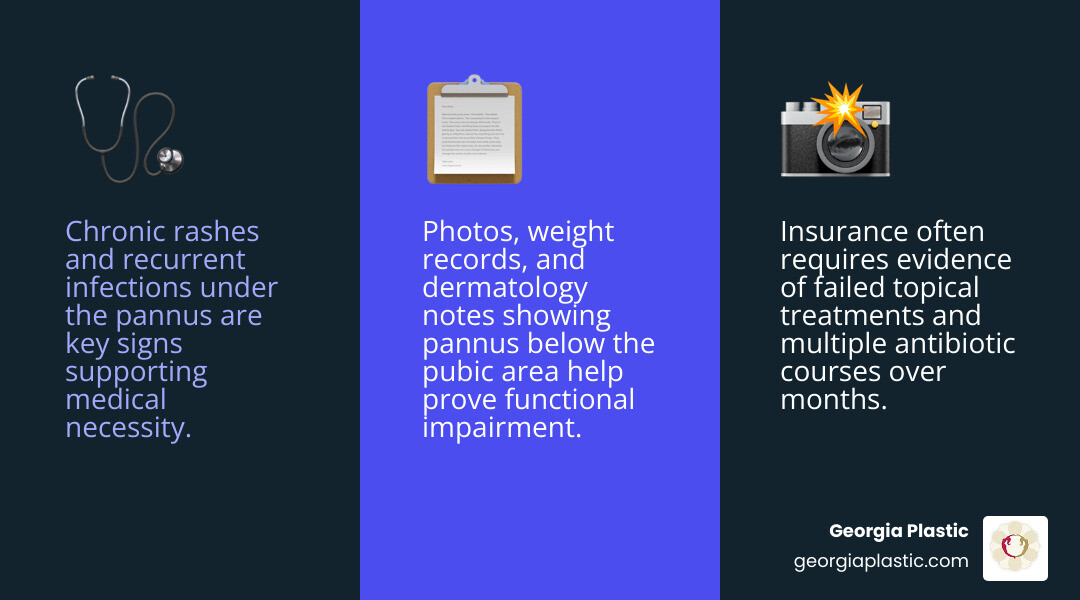
- Chronic rashes under the pannus
- Recurrent fungal or bacterial infections
- Cellulitis requiring antibiotics
- Fibrosis or chronic discoloration
- Lymphedema
- Skin ulceration or breakdown
- Functional impairment with walking, exercise, hygiene, or daily activities
Some policies specifically require multiple infections or failed medical treatment over several months before surgery is approved.
Documentation patients should gather before submission
The more organized your records, the smoother the insurance process tends to be.
Helpful documentation includes:
- Primary care notes describing symptoms
- Dermatology or wound care notes if applicable
- Records of topical creams, powders, or antifungal treatment
- Antibiotic history for recurrent infection
- Photos showing the pannus hanging below the pubic area
- Weight records showing major loss and stability
- Bariatric surgery records, if relevant
How to Prepare for Surgery and What the Procedure Involves
Panniculectomy is major surgery, so preparation matters. Good planning lowers risk and improves healing.
For a patient-friendly overview, see what does a panniculectomy entail?
Pre-op preparation that improves safety and healing
The basics are simple, but important:
- Maintain stable weight for at least 6 months
- Stop nicotine before and after surgery, ideally for at least 4 weeks each way
- Optimize diabetes and blood pressure
- Review all medications, vitamins, and herbal supplements
- Stop blood thinners only as instructed by your medical team
- Follow fasting instructions the night before surgery
- Arrange a ride home and help for the first day or two
Some surgical protocols also recommend stopping nonprescribed herbal supplements at least 2 weeks before surgery. If nutrition is marginal after bariatric surgery, we may address protein intake before moving forward.
What happens during panniculectomy surgery
The procedure is usually performed under general anesthesia. Many cases take 1 to 3 hours, though larger or more complex operations can take longer.
Common steps include:
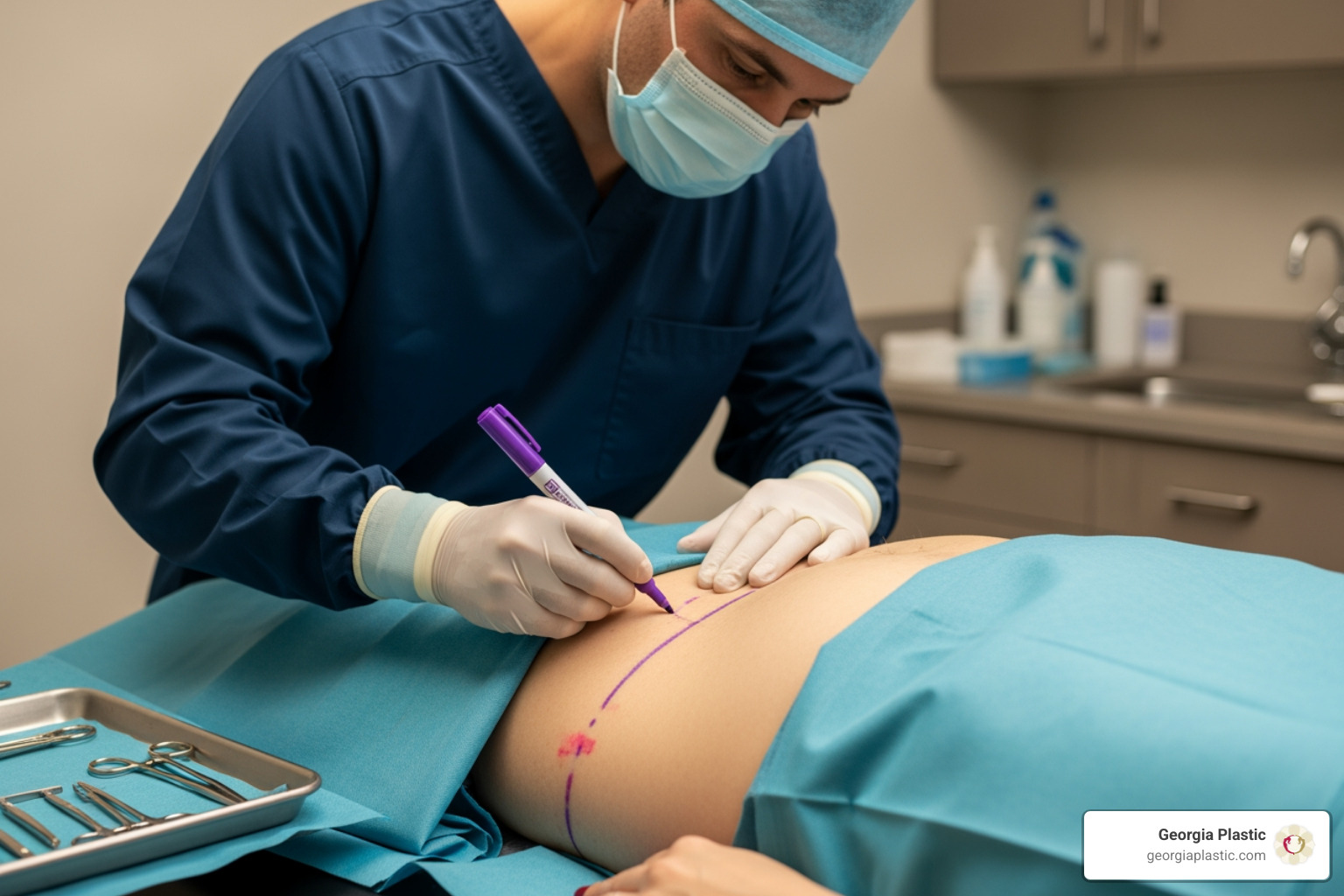
- Preoperative markings while standing
- Low abdominal incision design
- Removal of excess skin and fat, often in one large section
- Careful control of bleeding
- Placement of drains to reduce fluid buildup
- Layered closure of the incision
- Compression garment or binder placement
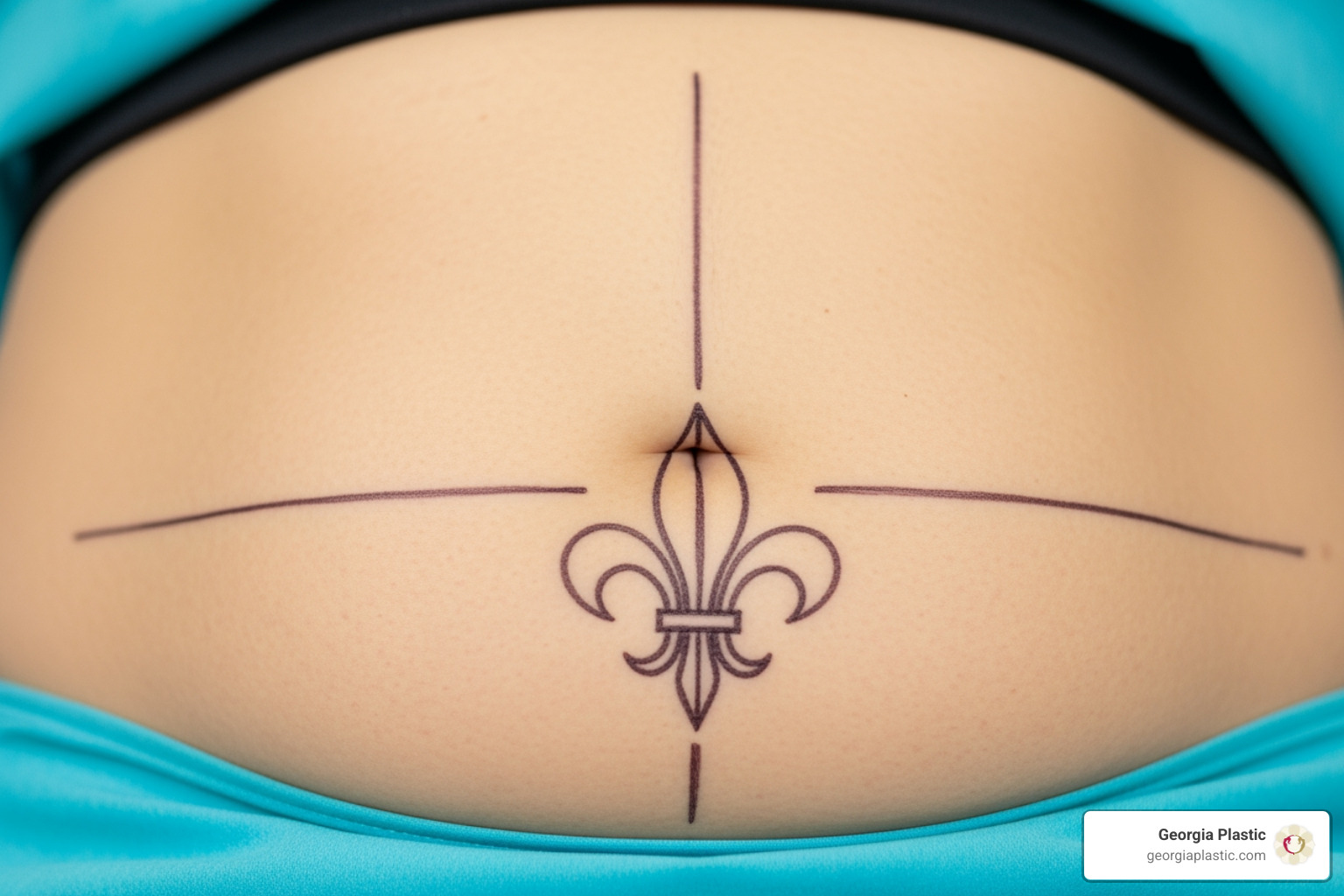
The scar is most often a long horizontal line low on the abdomen from hip to hip. In patients with significant horizontal and vertical excess, a fleur-de-lis pattern may be used, adding a vertical midline scar and creating an inverted T shape.
In very large resections, the amount of removed tissue can be substantial. One study of massive panniculectomy cases found an average resection weight of 16.1 pounds, with a range from 10.3 to 49 pounds. That is not a typo. Sometimes the tissue removed weighs more than a bowling ball, which makes the resulting relief easier to understand.
When surgeons may combine or stage other procedures
Some patients also need hernia repair, hysterectomy, or additional contouring. In selected cases, procedures can be combined. In others, staging is safer.
This is especially important after weight loss. Research has shown significantly higher complication rates when panniculectomy is performed at the same time as bariatric surgery rather than after weight loss is complete. One policy review reported wound infection rates of 48% with simultaneous surgery versus 16% when delayed. For that reason, delayed surgery is usually the safer path.
If you are considering combined surgery, our page on hysterectomy and panniculectomy may be helpful, along with this medical chapter on panniculectomy in post-weight-loss patients.
Benefits, Risks, and Recovery After Panniculectomy
The biggest benefit is not vanity. It is relief.
Learn more about how we address excess skin on our treat excess skin with panniculectomy page.
Expected benefits after panniculectomy after weight loss
Patients often notice improvement in:
- Hygiene and skin care
- Frequency of rashes and infections
- Walking comfort
- Exercise tolerance
- Lower abdominal pulling and irritation
- Clothing fit
- Confidence and body comfort
For many patients, the best outcome is simple: they can move, clean, dress, and live more normally again.
Common complications and how they are managed
Panniculectomy has real benefits, but also real risks. The most common issues are wound-related.
Potential complications include:
- Seroma, or fluid collection
- Delayed wound healing
- Wound separation
- Infection
- Hematoma or bleeding
- Skin edge necrosis
- Blood clots, including VTE
- Asymmetry or contour irregularity
- Persistent numbness around the scar
Seroma is one of the single most common complications. In one massive panniculectomy series, seroma requiring intervention occurred in 28% of cases, while wound problems requiring intervention occurred in 20%. Only 44% healed without complication. That sounds sobering, because it is. But it also reflects how complex many post-weight-loss patients are.
Risk is not the same for everyone. Elevated BMI matters. One review found that patients with BMI over 25 kg/m2 had nearly three times the risk of postoperative wound complications after post-bariatric panniculectomy.
How do we reduce risk?
- Careful patient selection
- Medical optimization before surgery
- Gentle tissue handling
- Drains and compression
- Early walking to reduce clot risk
- Close follow-up for wound care
Recovery timeline: week by week and month by month
Recovery is a process, not a weekend project.
Typical milestones:
- First few days: soreness, tightness, swelling, drains, walking bent slightly at the waist
- Week 1 to 2: light walking encouraged, no lifting, many patients return to light daily activity
- Week 2 to 4: some patients return to desk work, depending on energy and drain status
- Week 4 to 6: swelling continues to improve, but strenuous activity is still limited
- After 6 weeks: gradual return to full exercise if healing is on track
- Around 3 months: much of the swelling has settled
- 6 to 24 months: scar softening, fading, and final contour maturation continue
Many patients need 2 to 4 weeks off work, sometimes longer for physically demanding jobs. Energy often takes 5 to 6 weeks to feel more normal again.
How weight regain or further weight loss affects results
The removed skin is gone permanently, but the body can still change.
Minor weight fluctuation is usually not a big problem. Significant weight regain can stretch the remaining tissues and blunt the result. Further major weight loss after surgery can create new laxity. That is why stable weight before surgery is such a big deal.
For general procedure and recovery information, see this medical overview of panniculectomy surgery and recovery.
Frequently Asked Questions About Panniculectomy After Weight Loss
Will a panniculectomy help me lose more weight?
Not directly. A panniculectomy removes tissue, so the scale may go down somewhat, but it is not a weight-loss treatment. Think of it as removing what weight loss left behind, not replacing the weight-loss process itself.
That said, many patients find exercise, hygiene, and movement easier afterward, which can help them maintain healthy habits.
What does the scar usually look like?
Most patients have a long, low scar running from hip to hip. In larger cases, a vertical scar may be added, creating a fleur-de-lis or T-shaped scar. Scars are permanent, but they usually fade over time and are typically placed low enough to hide under many underwear and swimsuit styles.
Some numbness near the scar is common and may improve slowly over months. In some areas, numbness can last long term.
Is panniculectomy high-risk after bariatric surgery?
It can be higher risk than routine cosmetic abdominal surgery, especially if BMI remains elevated or medical conditions are not well controlled. But after proper timing and optimization, it can be performed safely and effectively.
The key points are:
- Wait until weight loss has stabilized
- Avoid active nicotine use
- Improve diabetes and nutrition
- Treat infections before surgery
- Understand that wound complications are more common than in smaller cosmetic procedures
Conclusion: Choosing the Right Next Step After Massive Weight Loss
After major weight loss, excess abdominal skin can be more than frustrating. It can interfere with hygiene, comfort, movement, and quality of life. Panniculectomy after weight loss is designed to address those problems in a direct and meaningful way.
At Georgia Plastic & Reconstructive Surgery, we believe the right plan starts with a thoughtful evaluation, realistic expectations, and a strong focus on safety. We take a personalized approach to determine whether panniculectomy alone or broader body contouring is the best next step for your goals.
If you are ready to explore your options, learn more about panniculectomy at Georgia Plastic.


