Desk work often takes about 1 to 2 weeks, light exercise commonly resumes around 4 to 6 weeks, and swelling and scar settling can continue for 3 to 6 months. Muscle repair, drains, added procedures, and your individual healing response can extend that timeline.
The morning after a mini tummy tuck, you may be surprised by how much a small movement matters. Getting out of bed, walking to the bathroom, climbing a few stairs, or preparing a simple meal can require more planning than expected. You may feel well enough to do something before your abdomen is ready for the strain that task creates.
That's why mini tummy tuck recovery time isn't one date on the calendar. Functional recovery happens in stages. Walking, driving, shopping, returning to desk work, caring for children, and exercising each have different demands. Your surgeon's clearance matters more than a generic promise that you'll be “back to normal” quickly.
The first 1 to 2 weeks are usually the most restrictive. Many patients can return to desk work during that period, while strenuous activity is commonly limited for at least 4 to 6 weeks. The practical recovery window is often around 6 weeks, even though swelling and scar refinement continue for months. (Independent mini tummy tuck recovery guidance)
Table of Contents
- What Mini Tummy Tuck Recovery Really Looks Like
- How a Mini Tummy Tuck Works and Why Recovery Differs
- Week by Week Mini Tummy Tuck Recovery Timeline
- What You Can Actually Do Each Day
- Factors That Make Recovery Faster or Slower for You
- Managing Pain Swelling and Safe Activity Milestones
- Planning Your Recovery with Georgia Plastic and Next Steps
What Mini Tummy Tuck Recovery Really Looks Like
On the first morning at home, your priorities are simple: get comfortable, take prescribed medication as directed, drink fluids, eat something manageable, and take short walks when your surgical team allows them. You may walk slightly bent forward because standing fully upright can pull on the healing lower abdomen. That posture usually changes gradually, rather than all at once.
A patient with a desk job may be able to work from home after several days of rest and return to an office in about 1 to 2 weeks. A patient who lifts boxes, stands for long periods, drives throughout the day, or cares for a young child may need more time, even if both patients had the same operation. The difference comes from what the job requires, not just from how the incision looks.
Practical rule: Feeling less pain doesn't automatically mean the tissues are ready for lifting, stretching, or exercise.
The two recovery timelines
Think of recovery as having two tracks:
- Functional recovery means walking more comfortably, standing straighter, driving safely, completing light tasks, and returning to work.
- Tissue recovery means swelling decreases, the contour settles, sensation changes gradually, and the scar matures.
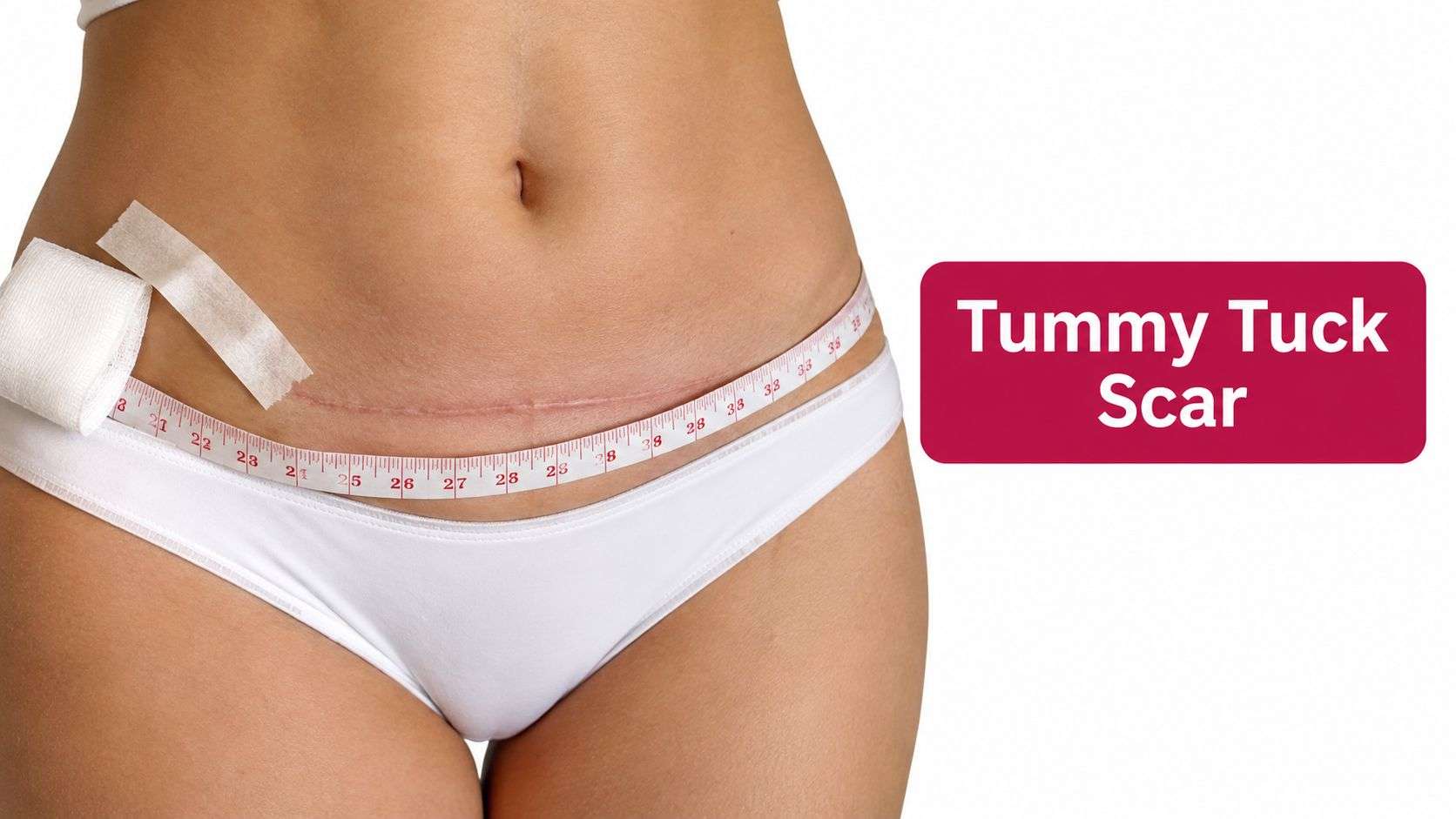
Those tracks overlap, but they don't finish together. You may function well while your abdomen still looks swollen. Final contour improvement can continue for up to 3 months, while scar refinement may take up to a year. (Tummy tuck aftercare guidance)
A mini tummy tuck generally feels shorter than a full abdominoplasty because the surgeon treats a smaller area, usually the lower abdomen. It still involves healing tissue, activity restrictions, and follow-up appointments, so planning help with transportation, meals, childcare, and household tasks is worthwhile.
How a Mini Tummy Tuck Works and Why Recovery Differs
A useful way to understand the procedure is to picture the abdomen as a fabric covering stretched over a wall. A mini tummy tuck usually concentrates on the lower section of that covering. The surgeon removes excess lower-abdominal skin and fat, then closes the remaining tissue lower on the abdomen.
A full tummy tuck addresses a broader area. It may involve more extensive tissue movement and muscle repair across the abdominal wall, which helps explain why the recovery can be longer. A mini procedure may also avoid repositioning the navel, depending on the patient's anatomy and surgical plan.
The operation determines the recovery curve
Before using a calendar, identify what your procedure includes:
- Skin and fat removal only can allow activity to feel easier sooner because the abdominal muscles haven't been tightened.
- Muscle repair adds another healing layer. Tightness, guarded movement, and restrictions involving lifting or core engagement may last longer.
- Liposuction or another contouring procedure can create additional swelling and soreness.
- Drains can affect comfort and mobility until the surgical team decides they're ready to come out.
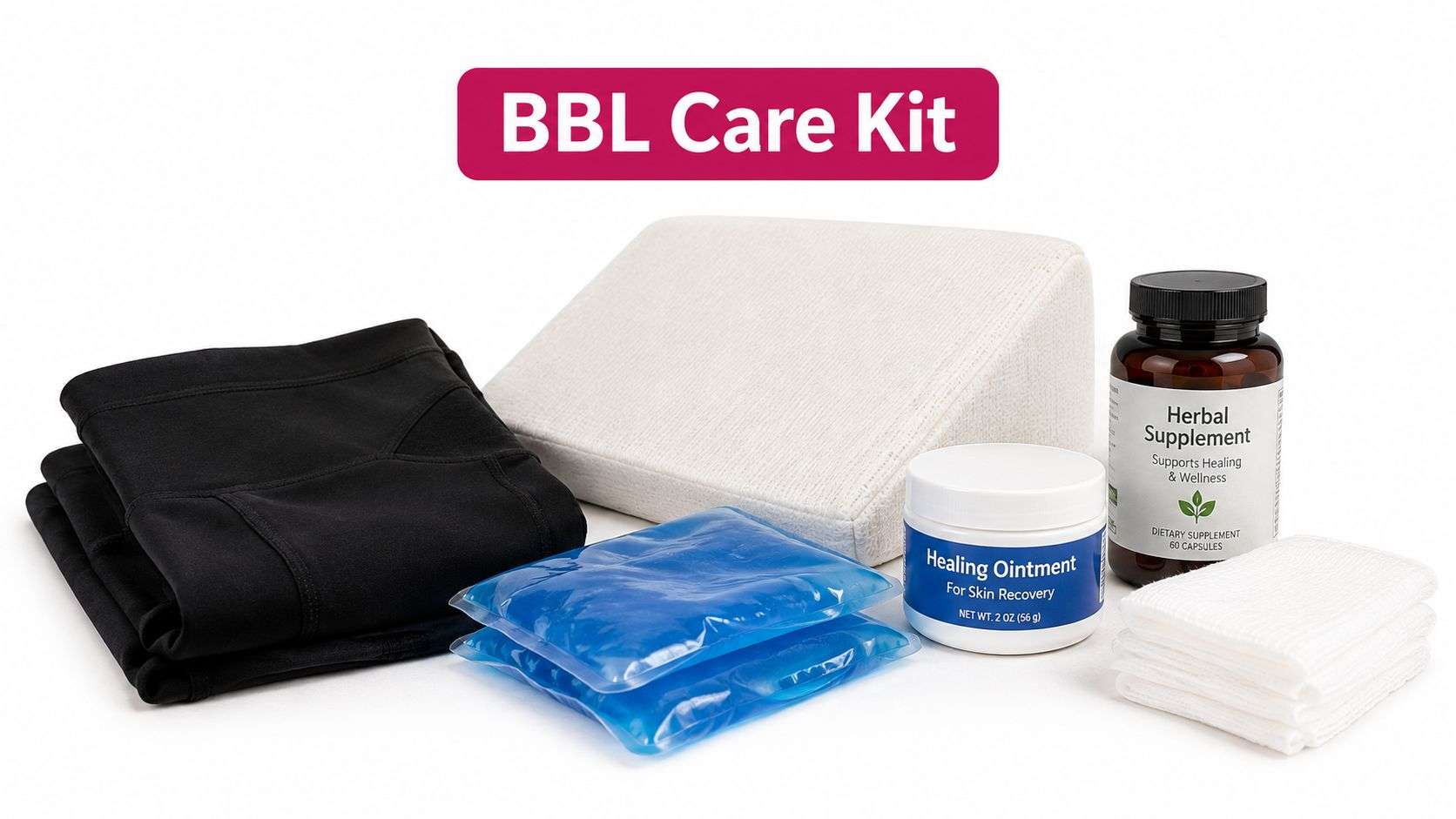
- Compression garments may support the healing area and help manage swelling when worn according to the surgeon's instructions.
Patients whose mini tummy tuck includes only lower-abdominal skin and fat removal may feel active again in about 7 to 14 days. When muscle tightening is included, normal activity may take 10 to 14 days or more, and exercise is commonly restricted for roughly 6 weeks. Compression garments are commonly used for 2 to 4 weeks, while heavy lifting may be restricted for about a month to 6 weeks. (Mini tummy tuck recovery factors)
For a plain-language comparison of the procedures themselves, review the differences between a mini tummy tuck and a full tummy tuck.

The key point is straightforward: less surgery often means less downtime, but “mini” doesn't mean effortless. Ask during consultation whether muscle repair, liposuction, drains, or combined procedures will change the instructions you receive.
Week by Week Mini Tummy Tuck Recovery Timeline
Your surgeon may adjust this sequence for your anatomy, technique, and healing. Use it as a planning framework, not as permission to advance activity without clearance.
Days 1 through 3
Expect fatigue, tightness, swelling, bruising, and limited mobility. You may need help standing, preparing food, using the bathroom, and managing the first household tasks. Short indoor walks are often encouraged as instructed, but bending, twisting, sudden stretching, and lifting should be avoided.
The goal isn't to test your endurance. It's to move safely, protect the incision and any drain sites, rest between activities, and follow your medication and wound-care instructions.
Week 1
The first week usually centers on support and controlled movement. Walk around the home for short intervals, use assistance on stairs, and arrange supplies so you don't need to reach, carry, or climb unnecessarily. Your abdomen may feel firm or pulled, and swelling can remain obvious.
If you're wearing compression, use it exactly as directed. Don't tighten it independently if it causes pain, numbness, breathing difficulty, or pressure on the incision. A follow-up visit may be used to assess the wound, review drains, and decide whether your activity plan needs adjustment.
Week 2
Many people begin to move more comfortably during the second week. Desk work may become realistic if you can sit, change position, walk periodically, and avoid commuting demands that leave you fatigued. Driving should wait until you're alert, no longer impaired by prescribed medication, able to enter and exit the vehicle safely, and able to brake or turn without pain.
Light daily activity can increase gradually, but shopping bags, childcare lifting, vigorous housework, and exercise still require caution. A better question than “Can I do this yet?” is “Does this task make me brace my abdomen, hold my breath, twist, or lift?”
Weeks 3 through 4
Your walking pattern may become more natural, and energy may improve. Swelling can still fluctuate, especially after a longer day on your feet. Some patients can return to desk-based work during this stage, while physical jobs usually need a more individualized plan.
Don't use improved appearance as proof that internal healing is complete. The incision can look calm while deeper tissues remain vulnerable to strain.
Week 5 through 6
This is often the point when surgeons consider broader activity progression, provided the incision is healing well and symptoms are improving. Light cardio may be introduced before demanding core work, but the order and pace must come from your surgical team.
Heavy lifting and strenuous exercise are commonly restricted for at least 4 to 6 weeks, particularly when muscle repair is involved. (Tummy tuck aftercare guidance)
Months 3 through 6
By this stage, daily movement often feels more natural, but the abdomen may still change from morning to evening. Swelling gradually settles, tissue firmness softens, and the scar continues to mature. You may be cleared for your usual exercise routine before the final cosmetic result is visible.

What You Can Actually Do Each Day
A return-to-work estimate doesn't answer the practical questions that shape your week. You may be able to walk indoors before you can carry groceries, and you may be able to sit at a computer before you can manage a full commute.
Patient-experience data highlights that difference. In one study, indoor walking and stair climbing had a median milestone of 1 day, while grocery shopping reached a median of 6 days. The same study reported similar early recovery after abdominoplasty alone and after abdominoplasty combined with breast surgery. (Patient-reported recovery milestones)
Match the task to the movement it requires
| Daily task | What to consider |
|---|---|
| Indoor walking | Keep walks short and frequent, and stop before fatigue changes your posture. |
| Stairs | Use a handrail, move slowly, and don't carry a load that makes you brace your core. |
| Driving | Wait until you're alert, off impairing medication, and able to brake, turn, and get in and out without strain. |
| Grocery shopping | Walking through a store may be easier than carrying bags, pushing a heavy cart, or loading a vehicle. Arrange help. |
| Childcare | Feeding or supervising may be possible before lifting a child. Plan for another adult to handle transfers, bathing, and car seats. |
| Household chores | Light meal preparation may return before vacuuming, laundry baskets, changing bedding, or reaching into low cabinets. |
| Work | Desk duties usually demand less abdominal force than standing, lifting, bending, or repeated movement. |
Five factors commonly shift these milestones: the task itself, pain control, mobility support, the extent of surgery, and your surgeon's clearance. A person may walk comfortably but still be unready for a grocery trip because shopping combines standing, reaching, carrying, and transportation.
Compression can also influence comfort and confidence. For practical guidance about choosing and using post-operative shape wear, see this guide to post-operative garments.
The safest approach is to increase one demand at a time. Add distance before speed, duration before intensity, and simple movement before lifting. If swelling or pain rises after an activity, treat that response as useful feedback rather than a challenge to push through.

Factors That Make Recovery Faster or Slower for You
Two patients can receive a mini tummy tuck and have noticeably different recoveries. The surgical plan matters, but so do baseline health, pain control, support at home, and how faithfully activity restrictions fit into daily life.
Surgical factors
Muscle repair is one of the clearest timeline changes. Skin and fat removal may allow a quicker return to comfortable movement, while tightening the abdominal muscles can make standing, coughing, getting out of bed, and exercising feel more demanding. Liposuction or combined procedures can add swelling across a wider area.
Drains may also affect your routine. They can make walking, sleeping, showering, and clothing choices more complicated until your team removes them according to your healing and drainage pattern.
Personal factors
Your general health, fitness, nutrition, sleep, and nicotine exposure all influence how your body handles surgery. Chronic health conditions may require closer monitoring or a slower progression. Adequate fluids and nutritious meals support the basic work of healing, while smoking or vaping can interfere with wound recovery.
Your job and home responsibilities matter just as much. A person with reliable help can protect the incision more easily than someone who must lift children, prepare every meal, or return to a physically demanding workplace immediately.
Care and mobility
Pain management affects how readily you walk, breathe, sleep, and complete basic tasks. Research on abdominoplasty recovery found that patients using a pain pump walked at 21.6 hours after surgery, compared with 40.8 hours in controls, and used fewer opioids. (Review of pain-control and mobility strategies)
The same review describes an early-mobility protocol in which 90% of patients reached moderately dependent mobility by day 4, while 60% reached independent mobility by day 6. These findings don't create a personal deadline, but they show why coordinated pain control and safe movement can shape the early curve. (Review of pain-control and mobility strategies)
Objective activity can take longer than promotional “back to normal” language suggests. In a randomized trial of wearable activity reminders after abdominoplasty, most patients returned to baseline activity in 6 to 8 weeks, and reminders didn't significantly improve that outcome. (Abdominoplasty activity recovery research)

Managing Pain Swelling and Safe Activity Milestones
A manageable morning walk does not automatically mean you are ready to drive, shop, lift a child, or return to work. Recovery is better measured by individual tasks than by a single “back to normal” date. Pain should gradually ease, although soreness may become pressure, pulling, tightness, or tenderness as movement increases. Use prescribed medication as directed, and ask your surgical team before adding any over-the-counter product.
Short, frequent walks can reduce stiffness and help you move with less guarding. Increase distance only when your body tolerates the current level without a clear increase in pain or swelling. Rest between activities, sleep in the position recommended by your team, and use pillows or other supports only as instructed.
Driving requires more than feeling alert. You should be able to sit comfortably, turn to check traffic, and brake firmly without hesitation, while no medication is impairing your reactions. Shopping may be manageable before heavier household work, but carrying bags, pushing a full cart, and lifting children can strain healing tissues. Ask your surgeon to set the limits for your incision and any muscle repair.
Compression garments may be recommended for 2 to 4 weeks, but fit and wearing schedule depend on your operation. Follow the instructions provided for your specific garment. (Mini tummy tuck recovery guidance)
Nutrition supports tissue repair. General educational information about which vitamin renews skin may help with dietary questions, but it does not replace your surgeon's instructions or prescribed care.
Mini versus full tummy tuck recovery comparison
| Feature | Mini tummy tuck | Full tummy tuck |
|---|---|---|
| Treatment area | Primarily the lower abdomen | A broader abdominal area |
| Tissue work | Usually more limited | Usually more extensive |
| Muscle repair | May be included when needed | More commonly part of the surgical plan |
| Early downtime | Many patients take about 1 to 2 weeks off work | Many patients need about 2 to 3 weeks or more |
| Exercise restrictions | Strenuous activity is commonly limited for 4 to 6 weeks | Strenuous activity is commonly limited for 4 to 6 weeks or longer, depending on the repair |
| Long-term settling | Swelling and scars continue to mature | Final contour and scars also continue refining for months |
A mini procedure often heals sooner because less tissue is treated. Muscle repair, combined procedures, job demands, childcare, and home support can narrow that difference. Compare your instructions with your operation, not another patient's timeline.
For suitable patients, post-surgical lymphatic drainage massage may be discussed with the surgical team. Wait for clearance before any massage or body treatment. Contact the office if pain worsens, redness spreads, fever develops, swelling suddenly increases, drainage changes, or the wound looks concerning. Chest pain, shortness of breath, or calf pain requires urgent medical attention.
Planning Your Recovery with Georgia Plastic and Next Steps
A realistic mini tummy tuck recovery plan has two calendars. The first covers practical milestones, such as walking, driving, working, and gradually increasing activity. The second covers swelling, contour refinement, and scar maturation, which can continue well after you feel capable of normal daily movement.
Follow-up appointments help your surgical team assess incision healing, swelling, drains, garment use, and readiness for the next activity level. Contact the office rather than guessing if a symptom changes suddenly or if you're unsure whether a task is safe. A generic timeline can't account for muscle repair, added procedures, pain-control needs, or your home responsibilities.
Georgia Plastic & Reconstructive Surgery provides in-person consultations and patient education resources for body-contouring procedures, with locations in Atlanta and Marietta. Its patient resources include recovery guides and a TouchMD portal, while financing information and support through AmaChi MedSpa may help patients plan related care. The consultation is where you can clarify whether a mini tummy tuck fits your anatomy and whether your recovery plan should account for muscle tightening, liposuction, drains, or combined surgery.
Before scheduling, bring a practical list of questions:
- Work planning: When can I return to my specific job duties?
- Driving: What functional signs should I meet before driving?
- Home support: Which tasks should another adult handle?
- Exercise: Which movements return first, and when can core work resume?
- Follow-up: How should I contact the team if swelling or pain changes?
Your goal isn't to recover according to someone else's calendar. It's to understand the procedure you're having, recognize task-specific milestones, and progress only when your surgical team confirms that your tissues are ready.
If you're considering a mini tummy tuck, visit Georgia Plastic & Reconstructive Surgery to request a personalized consultation in Atlanta or Marietta. The team can review your candidacy, explain whether muscle repair or additional procedures may affect your mini tummy tuck recovery time, and help you plan work, childcare, activity, and follow-up around your surgery.