Understanding Your Options for Addressing Loose Abdominal Skin
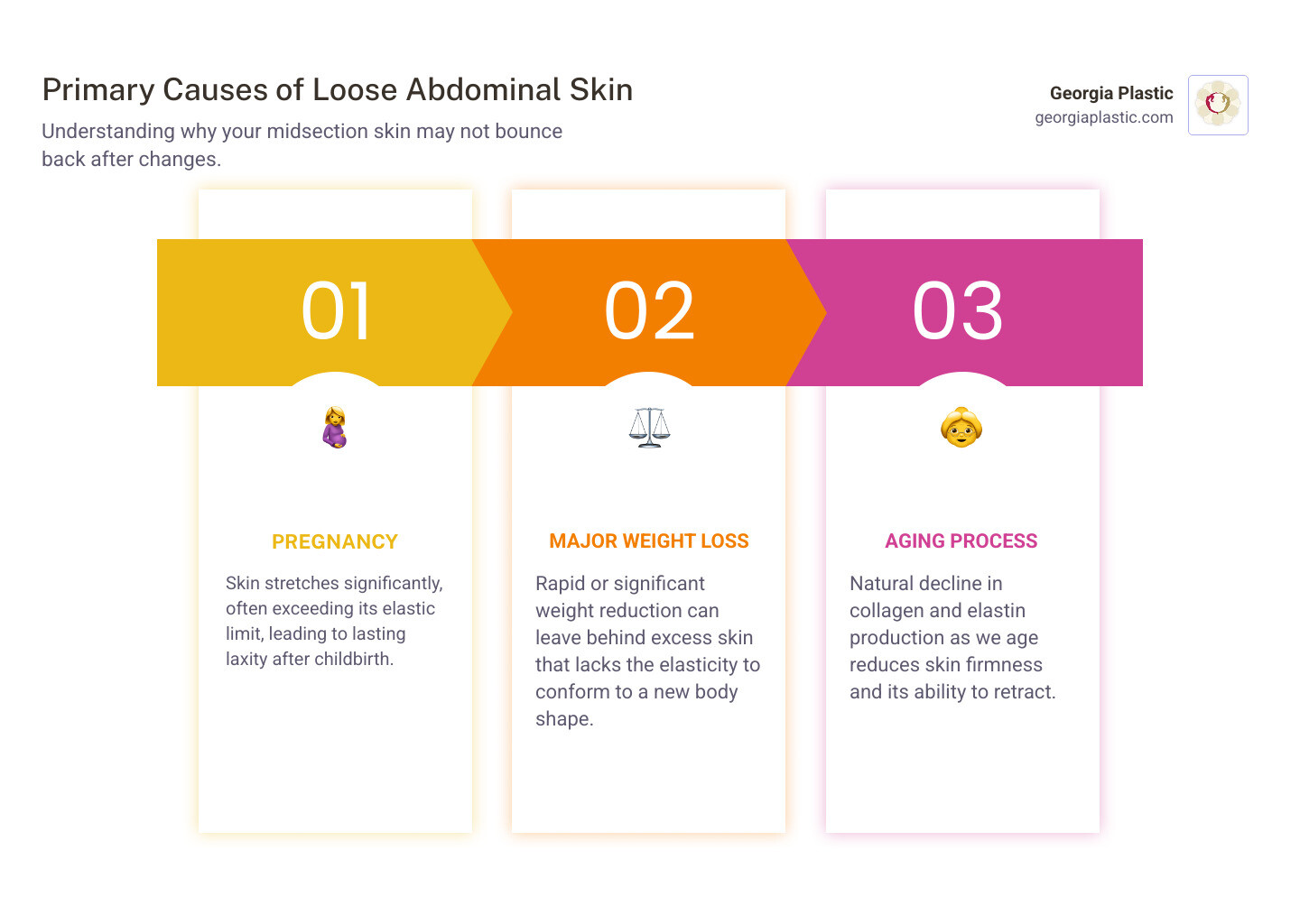
A loose skin tummy tuck is a surgical solution for excess abdominal skin that diet and exercise can’t fix. After significant weight loss, pregnancy, or natural aging, the skin often loses its elasticity and won’t retract on its own. An abdominoplasty, or tummy tuck, addresses this by removing loose skin, tightening weakened muscles, and creating a flatter, firmer midsection.
A tummy tuck is a comprehensive procedure that:
- Removes excess skin and stubborn fat.
- Tightens separated abdominal muscles (diastasis recti).
- Creates a smoother, flatter stomach contour.
- Repositions the belly button for a natural look.
With over 160,000 procedures performed in the U.S. in 2022, it’s a popular and effective body contouring surgery. Unlike exercise, a tummy tuck can repair the underlying abdominal wall, addressing both the cosmetic appearance and the structural integrity of your core. This can lead to improved posture and even reduced back pain.
What is an Abdominoplasty and Why Consider It?
An abdominoplasty, or tummy tuck, is a surgical procedure that reshapes the abdomen by removing excess skin and fat while repairing weakened muscles. It’s a comprehensive solution for those who, despite weight loss or post-pregnancy, can’t achieve a firm, flat midsection. A loose skin tummy tuck addresses both cosmetic concerns and underlying structural issues.
The procedure removes skin that has lost its elasticity due to pregnancy, weight changes, or aging—something sit-ups can’t fix. It also sculpts the abdomen by removing stubborn fat pockets.
A key component is muscle repair. Significant weight changes or pregnancy can cause the abdominal muscles to separate, a condition called diastasis recti. This creates a protruding belly that exercise cannot correct. During a tummy tuck, these muscles are stitched back together, creating a stronger, tighter abdominal wall. This repair can improve core strength and often relieves chronic back pain.
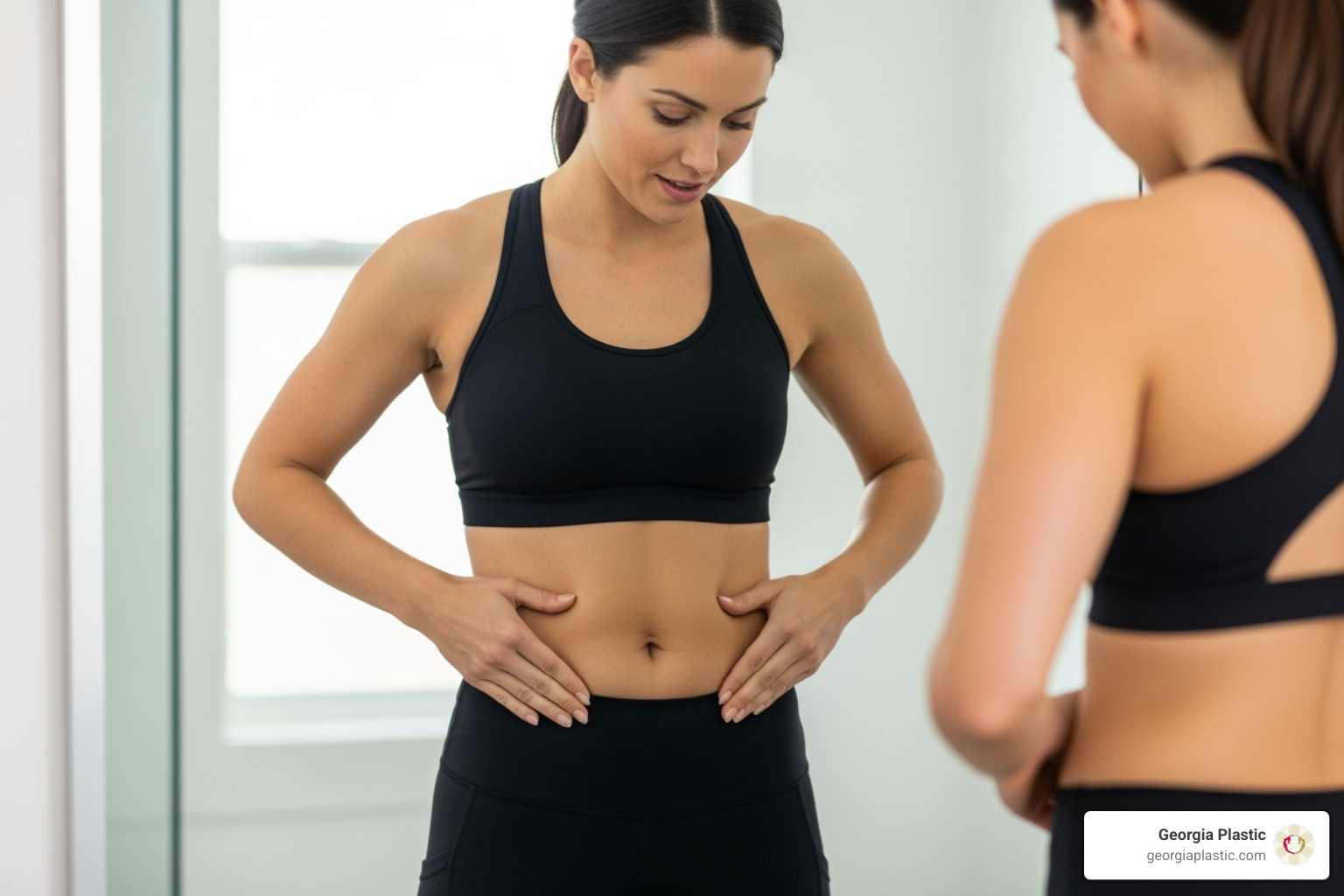
People consider a tummy tuck for various reasons:
- Post-Pregnancy: Mothers often seek to restore their pre-baby body, addressing stretched skin and separated muscles. Learn more about Getting a Tummy Tuck After Pregnancy.
- Major Weight Loss: Patients are often left with excess skin that hides their new figure.
- Aging: Natural aging can lead to a loss of skin firmness and a less defined abdomen.
The benefits extend beyond aesthetics. A flatter stomach and tighter core boost confidence, but functional improvements like better posture, reduced back pain, and relief from skin irritation in skin folds significantly improve daily comfort and quality of life. Find how we can help you Tighten and Tone with a Tummy Tuck.
At Georgia Plastic & Reconstructive Surgery, Dr. Okoro creates a personalized surgical plan to deliver natural-looking results, prioritizing your safety and goals.
Is a Loose Skin Tummy Tuck Right for You? Candidacy and Surgical Options
Deciding on a loose skin tummy tuck is a major step. At Georgia Plastic, we focus on personalized care to determine the best approach for your body and goals.
Who is an Ideal Candidate?
An ideal candidate for abdominoplasty is someone who:
- Is in good general health, with any medical conditions well-managed.
- Has maintained a stable weight for at least six to twelve months. A tummy tuck is for body contouring, not weight loss.
- Is a non-smoker or is willing to quit at least one month before and two weeks after surgery to ensure proper healing.
- Has realistic expectations about the results, recovery, and the resulting scar.
- Is finished with childbearing, as future pregnancies can stretch the skin and muscles again, altering the results.
- Has a BMI (Body Mass Index) that minimizes surgical risks, typically under 30, though this is discussed on a case-by-case basis. For more details, visit BMI and Abdominoplasty (Tummy Tuck).
For a deeper dive, see Who Qualifies for a Tummy Tuck? and Good Candidate for Tummy Tuck.
Types of Tummy Tuck Procedures
There isn’t a one-size-fits-all tummy tuck. We tailor the procedure to your specific needs.
| Type of Tummy Tuck | Incision Length | Area Treated | Muscle Repair | Belly Button Repositioning | Ideal For |
|---|---|---|---|---|---|
| Mini Tummy Tuck | Shorter, typically below the navel | Excess skin/fat primarily below the belly button | Sometimes | No | Mild skin laxity, small “pooch” below navel, C-section scar removal |
| Full Tummy Tuck | Hip-to-hip, along the lower abdomen | Excess skin/fat above and below the belly button | Yes | Yes | Moderate to significant loose skin, muscle separation, stubborn fat |
| Extended Tummy Tuck | Hip-to-hip, extending to the sides/flanks | Abdomen, flanks, and lower back | Yes | Yes | Significant loose skin after massive weight loss (e.g., 100+ lbs) |
| Skin-Only Tummy Tuck | Variable, often similar to mini or full | Excess skin only, without significant muscle laxity | No | Sometimes | Individuals with good muscle tone but loose skin due to aging or minor weight loss |
- The mini tummy tuck is for minor concerns, like a small pooch below the belly button, and involves a shorter scar and faster recovery. Read about Mini Tummy Tuck Benefits.
- The full tummy tuck is the most common type, addressing loose skin and muscle separation both above and below the navel. This is the standard Tummy Tuck Surgery in Atlanta.
- The extended tummy tuck is for massive weight loss patients, with an incision that wraps around the flanks to remove excess skin from the sides and lower back.
- A skin-only tummy tuck is for patients with good muscle tone but loose skin, focusing solely on skin removal for a less invasive procedure.
Tummy Tuck vs. Other Procedures
It’s important to distinguish a tummy tuck from other procedures:
- A panniculectomy only removes the “apron” of overhanging skin and fat (the pannus). It does not tighten muscles or reposition the belly button and may be covered by insurance if deemed medically necessary.
- Liposuction removes fat but does not address loose skin or separated muscles. It’s best for those with good skin elasticity. Using it on loose skin can make the problem look worse. See our comparison: Tummy Tuck vs. Liposuction.
- Lipoabdominoplasty is an advanced technique combining extensive liposuction for sculpting with a tummy tuck for skin removal and muscle repair, often yielding superior contouring results. Learn more about What is Lipoabdominoplasty?
Your consultation will determine the right approach for your unique anatomy and goals.
The Tummy Tuck Journey: From Preparation to Recovery
Starting on a loose skin tummy tuck journey is an exciting process. Feeling prepared and supported is key to a positive experience.
How to Prepare for Your Surgery
Preparation begins with your initial consultation with Dr. Okoro, where you’ll discuss your goals and create a personalized surgical plan. Key preparation steps include:
- Medical Evaluation: A thorough health check, including blood work, ensures you are ready for surgery.
- Stop Smoking: You must quit smoking at least one month before and two weeks after surgery. Nicotine severely impairs healing by restricting blood flow.
- Avoid Certain Medications: Stop taking blood-thinning medications like aspirin, ibuprofen, and some herbal supplements as advised to reduce bleeding risks.
- Arrange for Help: You will need someone to drive you home and assist you for the first few days of recovery. Prepare a comfortable recovery space with loose clothing and necessities within reach.
- Maintain a Healthy Lifestyle: Good nutrition and stable weight in the weeks prior will help your body heal efficiently.
What to Expect During the Procedure
On surgery day, you’ll be under general anesthesia, meaning you’ll be asleep and comfortable. The procedure involves several key steps:
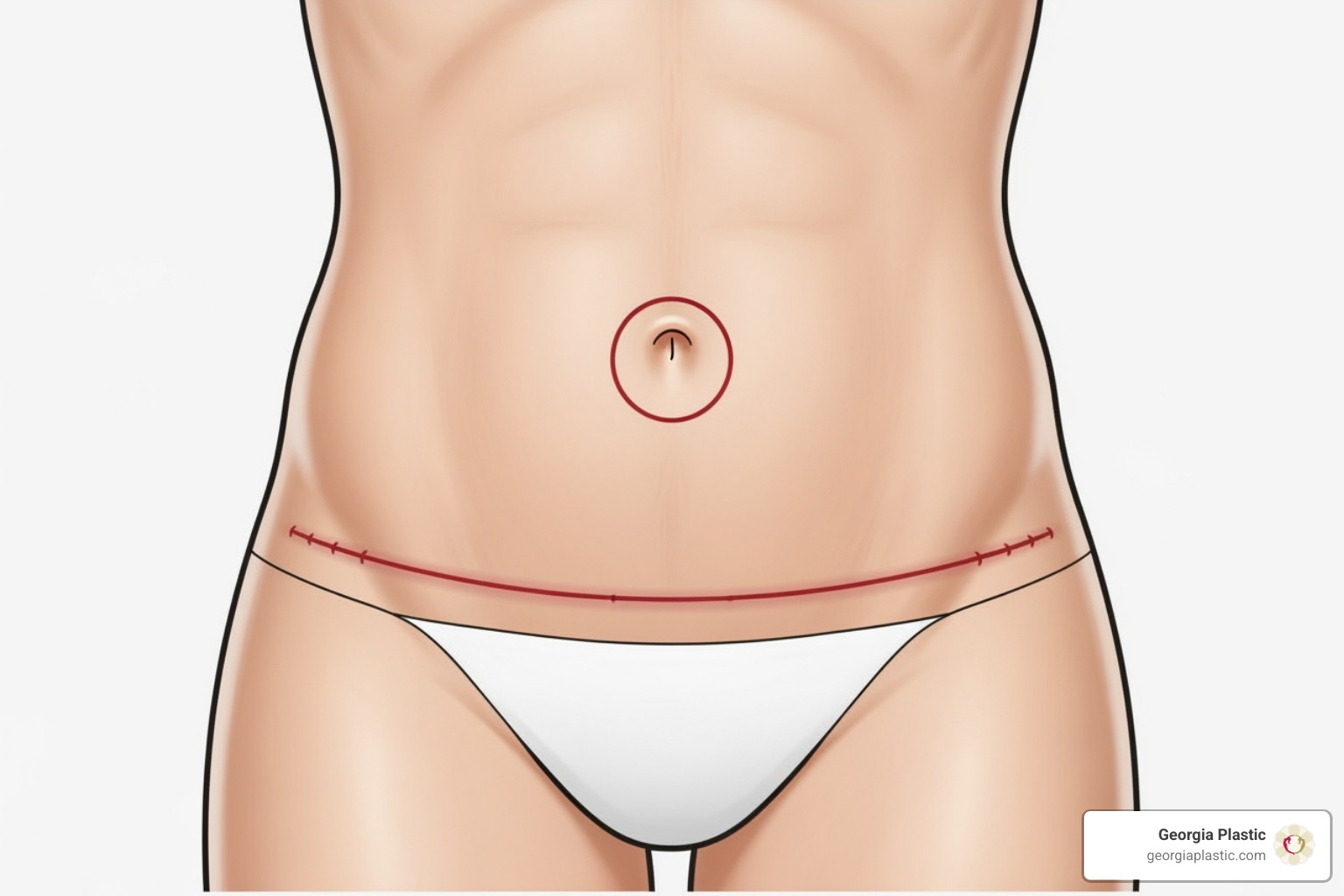
- Incision: Dr. Okoro makes a low horizontal incision from hip to hip, placed to be hidden by underwear or a swimsuit.

- Muscle Plication: Separated abdominal muscles (diastasis recti) are sutured back together, creating an “internal corset” that flattens the stomach and strengthens the core.
- Skin Excision: The excess skin and underlying fat are lifted, and the redundant tissue is precisely removed.
- Belly Button Repositioning: In a full tummy tuck, your original belly button is brought through a new opening in the tightened skin for a natural look.
- Closure: The skin is pulled taut and closed with sutures. Small drains may be placed temporarily to prevent fluid buildup. The surgery typically lasts one to five hours.
Your Recovery Timeline and What to Expect
Patience is essential during recovery. While everyone heals differently, here is a general timeline:
- First Week: Expect soreness, tightness, and swelling. Pain medication will manage discomfort. You’ll wear a compression garment and may have drains for 3-7 days. You will likely walk slightly hunched over.
- Weeks 2-4: You’ll start feeling more like yourself. Discomfort will lessen, and you can gradually increase light activity. Most patients return to desk jobs after 2-3 weeks. No heavy lifting.
- Weeks 4-6 and Beyond: Most normal activities become comfortable. Strenuous exercise can typically resume after 6-8 weeks, once cleared by your surgeon. Scars will mature and fade over the next 1-2 years with proper care.
For more details, read Tummy Tuck Recovery: What to Expect.
Like any surgery, a tummy tuck has risks, including fluid accumulation (seroma), infection, and poor wound healing, especially in smokers. We take every precaution to minimize these risks, which we will discuss with you thoroughly. For more information, the Mayo Clinic provides excellent resources on tummy tuck risks.
Beyond the Look: Lasting Results and Functional Benefits
A loose skin tummy tuck offers benefits that go far beyond aesthetics, improving your quality of life in significant ways.
How Long Do Tummy Tuck Results Last?
The results are designed to be permanent. The removed skin is gone for good, and the repaired muscles provide a lasting, firm foundation. However, maintaining your results is a partnership.
- Stable Weight: Significant weight gain can stretch the skin and compromise your new contours. It’s best to remain at a stable weight post-surgery.
- Healthy Lifestyle: Regular exercise and a nutritious diet help maintain muscle tone and overall results.
- Future Pregnancies: While pregnancy after a tummy tuck is safe, it can re-stretch the skin and muscles, potentially reversing the surgical improvements. We generally recommend waiting until you are finished having children.
Medical and Functional Benefits of a Loose Skin Tummy Tuck
Many patients are surprised by the functional improvements they experience:
- Improved Posture and Back Pain Relief: By repairing and tightening core muscles, a tummy tuck provides better support for your spine. This strengthens your core, often leading to better posture and significant relief from chronic lower back pain.
- Hernia Correction: Certain types of abdominal wall hernias can often be repaired during the tummy tuck procedure, eliminating the need for a separate surgery.
- Reduced Skin Rashes and Improved Hygiene: Removing large folds of excess skin eliminates the warm, moist environment where painful rashes and infections can develop. This improves comfort, makes exercise easier, and simplifies daily hygiene.
Will Insurance Cover My Loose Skin Tummy Tuck?
In most cases, insurance does not cover a loose skin tummy tuck because it is classified as a cosmetic procedure.
The main exception is a panniculectomy, a procedure that only removes a large, overhanging apron of skin (pannus) causing documented medical problems like chronic rashes, infections, or mobility issues. A panniculectomy does not include muscle tightening or the full contouring of a tummy tuck. If you have these medical issues, we can help you steer the insurance pre-authorization process, which requires extensive documentation. We will discuss all financial aspects, including financing options, during your consultation.
Frequently Asked Questions about Tummy Tucks
It’s natural to have questions about a loose skin tummy tuck. Here are answers to some of the most common ones we hear at Georgia Plastic.
Will I have a noticeable scar after a tummy tuck?
Yes, a tummy tuck involves an incision and will leave a scar. However, Dr. Okoro is skilled at making the scar as discreet as possible.
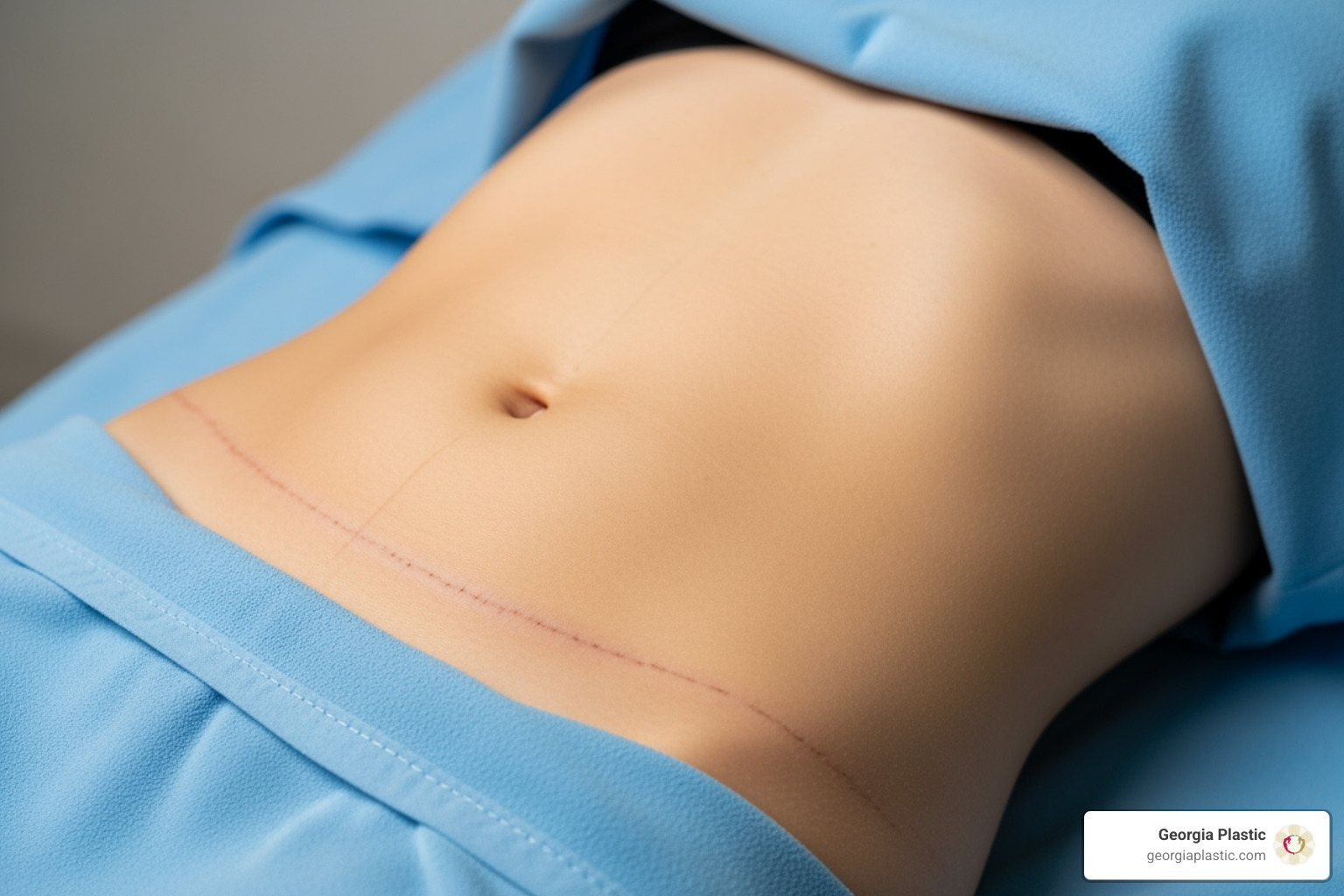
- Scar Placement: The incision for a full tummy tuck is placed very low on the abdomen, running from hip to hip, so it’s easily hidden by underwear and most swimwear. A mini tummy tuck involves a much shorter scar.
- Scar Maturation: The scar will be red and raised initially but will flatten, soften, and fade to a pale line over 12 to 18 months.
- Scar Care: We provide detailed scar care tips, such as using silicone gels and protecting the scar from sun exposure, to help you achieve the best possible result.
How much weight can I expect to lose?
It is crucial to understand that a tummy tuck is not a weight-loss procedure. Its purpose is to reshape and contour your midsection after you have already reached a stable weight.
The focus is on inches lost, not pounds. While you will lose a few pounds from the removed skin and fat (typically 5-10 pounds at most), the real change is in your silhouette. Most patients see a reduction of 2 to 4 pant sizes and enjoy a flatter, more defined waistline. A tummy tuck reveals the new shape you’ve worked for; it doesn’t create weight loss.
Can I get pregnant after having a tummy tuck?
Yes, it is completely safe to get pregnant after a tummy tuck. The procedure does not interfere with your ability to carry a healthy baby to term.
However, we generally recommend waiting until you have completed your family before undergoing the procedure. A future pregnancy will stretch the abdominal skin and muscles again, which can alter or reverse the results of your surgery. This may lead to the return of loose skin and a protruding belly, potentially requiring a revision surgery to restore your initial results. We will discuss your family planning goals during your consultation to help you decide on the best timing for your surgery.
Conclusion: Reclaim Your Confidence with a Firmer Abdomen
If you struggle with loose abdominal skin that diet and exercise can’t resolve, a loose skin tummy tuck can be a life-changing solution. It addresses not just how you look, but how you feel in your own body.
This procedure does more than create a flatter stomach; it repairs separated muscles, restores core strength, improves posture, and can even relieve chronic back pain. By removing excess skin, it also eliminates issues like skin irritation and boosts confidence, allowing you to enjoy activities and wear clothes you love.
At Georgia Plastic & Reconstructive Surgery, Dr. Okoro and our team are committed to personalized care, patient safety, and natural-looking results. We develop a surgical plan custom specifically to you, whether you’re addressing changes from pregnancy, major weight loss, or aging. Many patients combine a tummy tuck with other procedures for a comprehensive change. Explore this option at Learn more about a Mommy Makeover in Atlanta.
Your journey to a firmer, more confident you begins with a conversation. We invite you to schedule a consultation with Dr. Okoro to explore if a tummy tuck is the right choice to help you achieve the results you’ve been dreaming of.