
What Does Calf Implants Price Actually Look Like in 2026?
Calf implants price typically falls in the following ranges, depending on what’s included:
| Cost Component | Typical Range |
|---|---|
| Surgeon’s fee only | ~$3,844 |
| Surgeon + facility fees (total avg.) | ~$5,026 |
| Full cost (all fees included) | $4,000 – $9,000 |
| New York (specialist clinics) | $7,000 – $9,000 |
| Toronto, Canada | $7,500 – $10,000 |
| UK (London) | £4,000 – £6,000 |
| Turkey (medical tourism) | From $2,138 |
Note: These figures exclude anesthesia, pre-op lab tests, compression garments, and medications — which can add $2,500 or more to your total.
If you’ve been working hard in the gym but your calves just won’t respond, you’re not alone. Genetics play a huge role in calf development, and for many people — no matter how many calf raises they do — the muscle simply won’t grow to match the rest of their physique. Calf augmentation surgery offers a permanent, natural-looking solution, but understanding what it actually costs is where most people get confused.
The quoted price you see online is rarely the full picture. Surgeon fees, facility costs, anesthesia, recovery supplies, and time off work all add up — and the range can vary dramatically based on where you live, who performs your surgery, and what your specific goals require.
I’m Dr. Stanley Okoro, a double board-certified plastic surgeon and founder of Georgia Plastic and Reconstructive Surgery in Atlanta, and I’ve guided countless patients through the full financial picture of body contouring procedures, including helping them understand the true calf implants price before they commit. In the sections below, I’ll break down every cost factor so you can plan with confidence.

Understanding the Average Calf Implants Price
When we talk about the calf implants price, we have to distinguish between “sticker price” and “out-of-pocket total.” Most medical organizations report averages based on specific components of the bill, which can lead to some sticker shock if you aren’t prepared for the extras.
According to the 2021 Aesthetic Plastic Surgery National Databank Statistics, the average cost for calf implant surgery was approximately $5,026. However, it is vital to note that this figure typically only covers the surgeon and facility fees. It often leaves out the “support cast” of the surgery—the anesthesiologist, the medical tests, and the post-operative supplies.
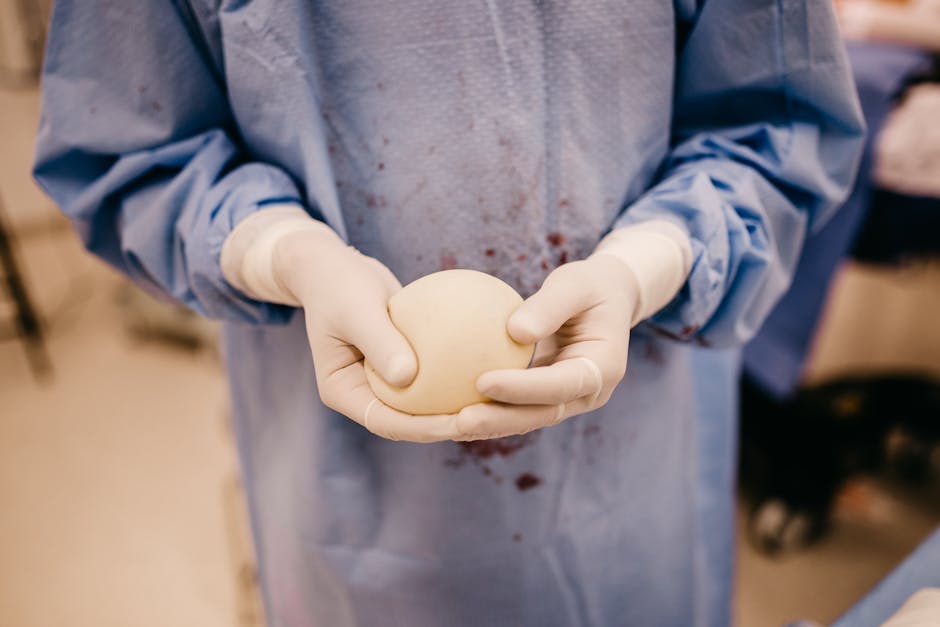
Research plays a huge role in how we approach these procedures. For instance, a Scientific research on calf augmentation and volumetric restoration published in the Journal of Plastic, Reconstructive & Aesthetic Surgery highlights that calf augmentation isn’t just about size; it’s about restoring volume and symmetry. Because every patient’s legs are unique, the surgical plan—and therefore the price—can shift based on whether we are correcting a congenital defect or providing a cosmetic boost for a bodybuilder.
Surgeon Fees vs. Total Calf Implants Price
The American Society of Plastic Surgeons (ASPS) often cites a lower average, such as $3,844. Why the discrepancy? This number represents the surgeon’s fee only. Think of it like booking a flight; the base fare is one thing, but once you add the taxes, baggage fees, and that tiny bag of pretzels, the price changes.
For a comprehensive view of the procedure itself, you can find more info about calf implants on our dedicated service page. Generally, we tell our patients to budget for a total ranging from $4,000 to $9,000 to ensure every aspect of safety and comfort is covered.
Regional Price Variations: US vs. International
Geography is a massive driver of the calf implants price. In the United States, prices start around $3,800 in lower-cost-of-living areas but can soar to $9,000 or more in major hubs like New York City or Beverly Hills. This isn’t just about “prestige pricing”—it reflects the higher overhead costs of running an accredited surgical facility and employing top-tier medical staff in those cities.
Internationally, the landscape changes:
- Turkey: Known for medical tourism, prices can start as low as $2,138.
- Mexico: Generally ranges around $6,199.
- Canada: In cities like Toronto, you can expect to pay between $7,500 and $10,000.
- United Kingdom: Prices in London typically hover between £4,000 and £6,000.
While international prices can be tempting, we always remind patients to factor in travel costs, the risks of flying shortly after surgery (like blood clots), and the difficulty of receiving follow-up care if a complication arises once they return home.
Factors That Influence Your Final Quote
No two pairs of legs are the same, and neither are two surgical quotes. When we sit down for a consultation at Georgia Plastic, we look at several variables that move the needle on the calf implants price.
Surgeon Experience and Clinic Reputation
You aren’t just paying for the 90 minutes of surgery; you are paying for the years of training that precede it. A surgeon certified by the American Board of Plastic Surgeons has met rigorous standards that non-certified practitioners haven’t.
Specialized training is a major factor. For example, surgeons who have received prestigious grants from organizations like the Howard Hughes Medical Institute or the Plastic Surgery Educational Foundation often have a deeper understanding of tissue dynamics and reconstructive techniques. Furthermore, Aesthetic Society members are held to higher ethical and safety standards, which provides peace of mind that is well worth the investment. Choosing a surgeon based solely on the lowest price can lead to unsatisfactory results or, worse, safety issues that cost much more to fix later.
Implant Material and Customization
The “hardware” matters. Most calf implants are made of high-quality solid silicone or cohesive silicone gel. Unlike older liquid silicone implants, these “gummy” materials mimic the feel of actual muscle tissue and won’t leak if the implant shell is compromised.
We also consider:
- Symmetrical vs. Anatomical Shapes: Some patients need uniform bulk, while others need a specific “taper” to look natural.
- Single vs. Double Implants: Do you need enhancement on just the medial (inner) calf, or both the inner and outer (lateral) sides?
- Custom-Made Implants: For patients with significant muscle wasting due to injury or illness, custom-designed implants may be necessary, which will increase the calf implants price significantly.
Hidden Costs: Beyond the Base Calf Implants Price
When you receive a quote, always ask, “What isn’t included?” The “hidden” costs are often the ones that cause the most stress if they aren’t budgeted for early on.
- Anesthesia Fees ($500–$1,500): Whether you have general anesthesia or twilight sedation, you are paying for a certified professional to monitor your vitals throughout the procedure.
- Facility and Operating Room Fees ($1,500–$3,000): This covers the cost of the surgical suite, the nursing staff, and the specialized equipment used during your 1.5 to 2-hour surgery.
- Pre-operative Lab Testing: Before we clear you for surgery, we need to ensure your body is ready. Blood work and physical exams are standard and usually billed separately.
Following The Aesthetic Society preparation guidelines can actually save you money in the long run by reducing the risk of complications that could lead to hospital stays or corrective procedures.
Recovery Expenses: Compression Garments and Medications
Your journey doesn’t end when you leave the operating room. Proper aftercare is the bridge between a successful surgery and a great result.
- Compression Garments ($50–$150): You will need to wear a compression garment for about two to six weeks. These sleeves help reduce swelling and keep the implants in their proper “pocket” while you heal.
- Medications: You’ll likely be prescribed antibiotics to prevent infection and pain medication for the first few days. These typically cost under $100 total but are rarely included in the surgical quote.
- Lost Wages: Most patients need 3 to 5 days of total rest, and you won’t be back to full physical activity (like heavy gym sessions) for several weeks. Following The Aesthetic Society recovery timeline is essential for a smooth return to work.
Long-Term Maintenance and Potential Revisions
While calf implants are designed to be permanent and can last up to 20 years (or even a lifetime), they aren’t like a tattoo—they are medical devices.
The Aesthetic Society notes that while complications are rare, things like implant displacement or capsular contracture (scar tissue hardening) can occur. If a revision is needed, the costs can be similar to the original surgery. However, by choosing an experienced surgeon and following all The Aesthetic Society long-term care advice, the vast majority of patients enjoy their results for decades without further expense.
Comparing Costs: Implants vs. Alternatives
If the calf implants price feels a bit steep, you might be looking at other ways to bulk up those lower legs. Here is how the most common options stack up:
| Procedure | Estimated Cost | Longevity | Best For |
|---|---|---|---|
| Calf Implants | $4,000 – $9,000 | Permanent (20+ years) | Maximum bulk & definition |
| Fat Transfer | $3,000 – $11,000 | Long-lasting (if fat “takes”) | Natural look, subtle increase |
| HA Fillers | $283 – $4,389 | 6 – 18 months | Temporary “test drive” |
| Botox | $95 – $3,142 | 3 – 4 months | Slimming bulky muscles |
Fat Grafting and Non-Surgical Treatments
Fat transfer in body contouring is a popular alternative. We harvest fat from another area of your body (like the thighs or abdomen) via liposuction, process it, and inject it into the calves. While it sounds “natural,” it can actually be more expensive than implants because you are essentially paying for two procedures: liposuction and fat grafting.
For those looking to slim their calves rather than bulk them, Botulinum toxin for calf contouring can relax the gastrocnemius muscle for a leaner look. Conversely, muscle tightening treatments like CoolTone or Emsculpt use electromagnetic energy to build muscle, but these require multiple sessions and usually cost between $600 and $1,800 per treatment block.
A Hyaluronic acid filler study showed that fillers can be used for body reshaping, but because the calves require a high volume of filler, the cost often exceeds that of permanent implants within just two years of maintenance.
Financing and Insurance for Calf Augmentation
We’ll give it to you straight: Calf augmentation is almost always considered an elective cosmetic surgery. This means your standard health insurance provider will likely say “no thanks” to covering the bill.
There are rare exceptions. If you are seeking surgery to correct a congenital defect (like clubfoot or polio-related muscle wasting) or to reconstruct the leg after a traumatic injury, some insurance plans may cover a portion of the costs. In the UK, the NHS occasionally provides reconstructive surgery for these medical reasons, but the criteria are extremely strict.
To make the calf implants price more manageable, we offer several financing options:
- CareCredit: This is a dedicated health and wellness credit card. You can find a provider and apply through the CareCredit financing portal.
- Synchrony: They offer various Synchrony health and wellness offers that allow for monthly payment plans, sometimes with 0% interest if paid within a certain timeframe.
Breaking a $6,000 surgery into monthly payments of $200–$300 makes the dream of sculpted legs much more attainable for many of our patients.
Frequently Asked Questions about Calf Implant Costs
Is calf implant surgery covered by insurance?
As mentioned, standard insurance rarely covers cosmetic procedures. However, if the surgery is reconstructive—addressing a congenital abnormality or a severe injury—it’s worth a conversation with your provider. Always get a detailed letter of medical necessity from your surgeon if you plan to go this route.
What is included in a typical calf implant price quote?
A transparent quote should include:
- The surgeon’s fee.
- The cost of the silicone implants.
- The anesthesia fee.
- The facility fee (operating room use).
- All pre-operative and post-operative follow-up visits. At Georgia Plastic, we believe in “no surprises” pricing, so we walk you through every line item during your consult.
How much does the recovery process add to the total price?
Budget an extra $500 to $1,000 for “recovery life.” This includes your compression sleeves, pain and antibiotic medications, and perhaps a pair of crutches or a cane for the first few days. Don’t forget to account for your time away from work; if you don’t have paid sick leave, those 3 to 5 days of rest are a real financial factor to consider.
Conclusion
Investing in yourself is a big decision, and understanding the calf implants price is the first step toward achieving the body proportions you’ve always wanted. At Georgia Plastic & Reconstructive Surgery, we don’t believe in one-size-fits-all pricing because we don’t believe in one-size-fits-all surgery.
Led by Dr. Okoro, our team is dedicated to providing personalized care that prioritizes your safety and delivers results that look so natural, people will just think you’ve been killing it on the “stair-master.” Whether you are a bodybuilder looking for that competitive edge or someone who just wants to feel confident in a pair of shorts, we are here to help.
Ready to take the next step? Schedule your calf augmentation consultation with us in Atlanta today, and let’s build a plan that fits both your aesthetic goals and your budget.


