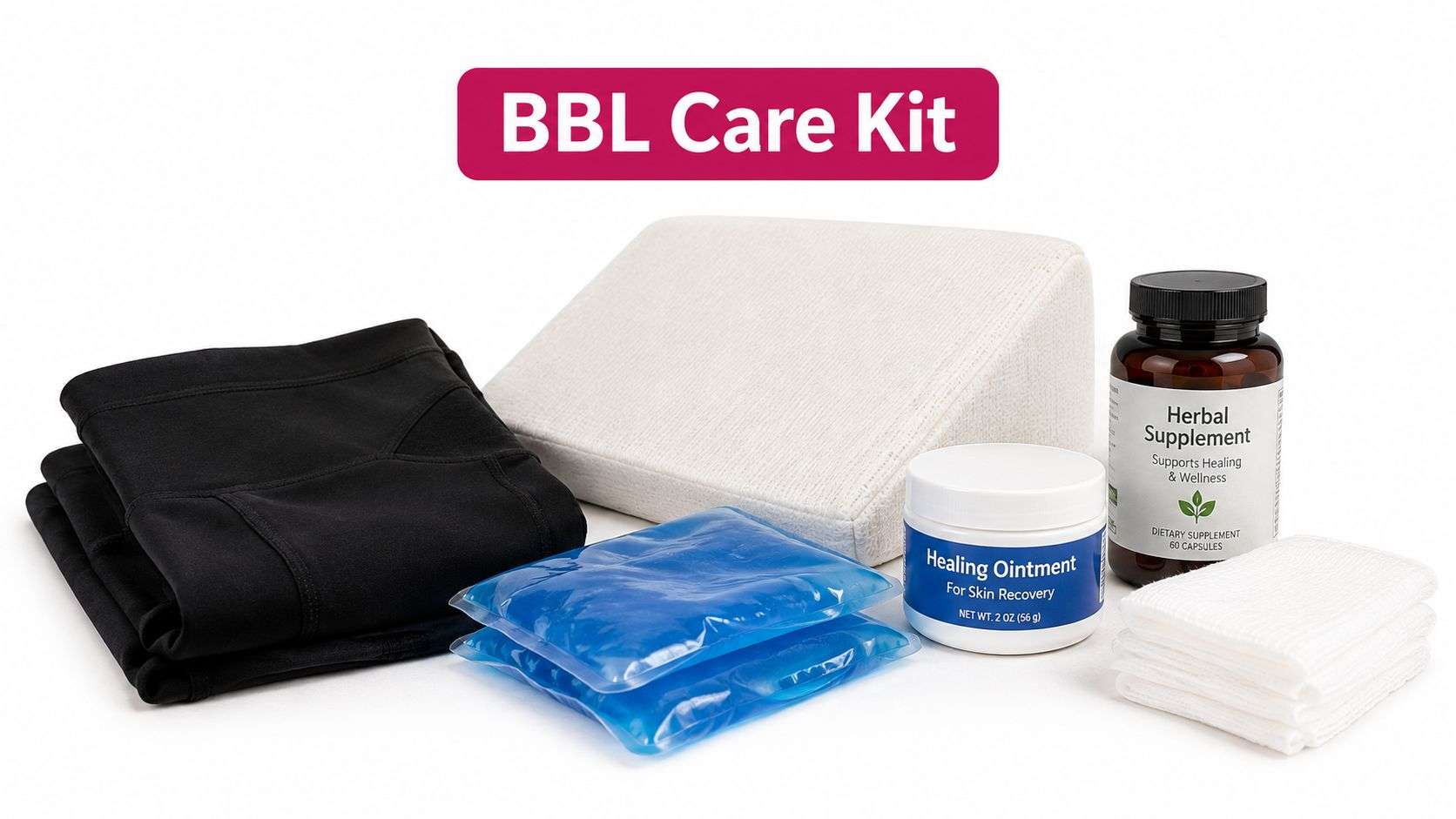
You're home, the garment is tight, your lower back aches, and sitting feels like a bad idea because it is. The first look in the mirror can be disorienting too, because the shape is never the final shape in those first days. BBL recovery week by week is really a sequence of decisions, not just a countdown, and the choices you make early shape how safely you get back to work, sitting, and exercise.
Table of Contents
- What the First Week After a BBL Really Looks Like
- Weeks One and Two of BBL Recovery
- Returning to Work and Daily Life in Weeks Three and Four
- Weeks Five Through Eight of BBL Recovery
- Months Three to Six and Protecting Fat Retention
- Red Flags, Follow-Ups, and When to Call Your Surgeon
What the First Week After a BBL Really Looks Like
The first 48 hours often surprise patients the most. They wake up in compression, feel groggy, see drains at the liposuction sites, and usually want one answer first, whether what they are seeing is normal. It usually is. Week 1 is the most restrictive phase and the goal is protection, not productivity.

The first three days set the tone
Early on, the graft is still adapting to its new blood supply, so the buttocks can look fuller, tighter, and more swollen than expected. That visual change catches a lot of people off guard. It also explains why the week-by-week recovery plan matters, because the foundation for the final result is being laid while swelling is still at its highest, and the early postoperative period shapes how much transferred fat survives later (Hayat Med recovery guide).
Practical rule: if a movement puts pressure on the buttocks, it is the wrong movement for the first several days.
Day to day, the routine usually centers on brief walks, medication taken on schedule, drain care if drains were placed, and wearing the compression garment almost continuously. The garment is not there to look tidy. It supports the tissues while swelling is active and the body is still settling. The hard part for many patients is not one big event, it is how many small choices have to line up correctly.
What feels normal, and what doesn't
Soreness, bruising, swelling, fatigue, and some drainage from incision sites all fit the normal pattern in this phase. The early 48 to 72 hours can have an outsized effect on the final shape, which is why those first days are treated with so much care. A post-op lymphatic drainage massage can sometimes be part of the plan later on, if the surgeon recommends it, because swelling control matters as the tissues settle (post-surgical lymphatic drainage massage guidance).
Some things do not belong in the normal bucket. Worsening one-sided swelling, breathing trouble, or drainage that changes in a concerning way need prompt attention. The point of this first week is not to push through discomfort. It is to protect the transfer while the body does the slow, invisible work of healing.
Weeks One and Two of BBL Recovery
The first two weeks are a controlled recovery period. Patients are usually past the immediate haze of surgery, but the tissues are still vulnerable, and daily decisions still matter. Better energy can be misleading here, because feeling more alert does not mean the grafted area is ready for normal use.
How to move without setting yourself back
Walking stays part of the plan, but it should remain brief and deliberate. Short walks every 2 to 3 hours are commonly recommended early on, because movement supports circulation and helps prevent clots while still avoiding direct pressure on the grafted area. That is why patients are often told to use the time between walks for rest, hydration, and compression.
Sleep positioning matters too. Side sleeping or stomach sleeping is the safer choice, and the body needs to stay out of the habit of rolling onto the back. Shower timing, drain care, and incision cleaning should all follow the surgeon's protocol, because “clean enough” is not a standard here. Incisions need to stay clean and dry in the way your post-op instructions specify.
If drains were placed, they need the same careful attention as everything else. A missed step with drainage care can make the whole day feel more swollen and more uncomfortable.
Managing pain and early swelling
Pain medication should be tapered only as directed, not when the patient happens to feel embarrassed about still needing it. In this stage, steady control helps people move better and rest better. That combination lowers the chance of unnecessary swelling and makes the days easier to get through.
Some patients feel alarmed when the body looks uneven in week 2. Uneven swelling alone is common, but pain that rises instead of falls deserves a call.
If swelling seems to be building in one area, or if fluid feels trapped rather than just swollen, that needs a closer look. The early weeks can include mild drainage and puffiness, but they should not include a sudden turn for the worse. For patients who are also discussing lymphatic support, a post-surgical lymphatic drainage massage may come up later in recovery if the surgeon clears it, because timing matters.
The emotional side of week 2 can be real too. Patients often feel stuck because they are well enough to want a normal day, but not well enough to have one. That gap is temporary, and it is why the recovery plan stays so structured.
Returning to Work and Daily Life in Weeks Three and Four
By weeks 3 and 4, most patients are mobile enough to think about work again, but still too early to forget the rules. This is the stage where logistics start to matter more than discomfort. A desk job, school pickup, caregiving, or a commute all come with different pressure patterns, and the body notices all of them.

Desk work is possible, if you respect the breaks
A modified return to desk work is often realistic in this window, especially if the workday can be broken into short blocks. The key is not the chair itself, it's the duration. Patients do better when they treat sitting as an interval, not a default.
Use a BBL pillow so pressure shifts away from the buttocks, and keep standing and walking breaks on purpose rather than when the body complains. If the commute is long, plan for extra time and expect stiffness afterward. Georgia Plastic & Reconstructive Surgery's garment guidance can help patients understand how compression is used during this phase, especially when daily routines are changing, and their post-operative shape wear overview gives practical context for what the garment is doing and why it still matters.
Useful checkpoint: if you can't get through the workday without leaning, shifting, or aching every few minutes, the day is still too ambitious.
The visible changes start to make more sense
Weeks 3 and 4 are usually when the mirror becomes less confusing. The shape starts to settle, bruising fades, and swelling begins to let go of some of the distortion. That doesn't mean the result is final, but it does mean you can start reading the contour a little more clearly.
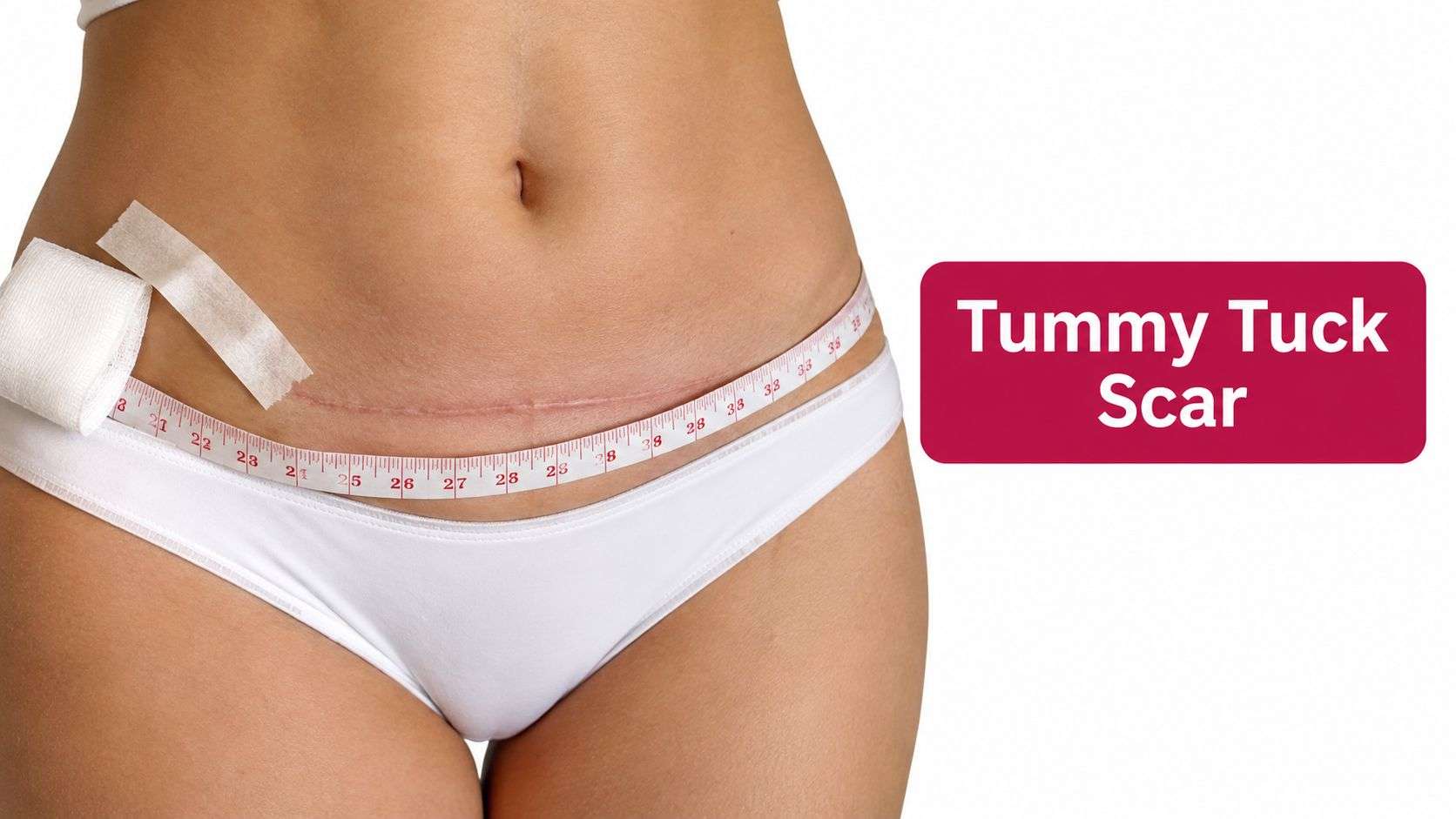
Incisions should be healing more cleanly by this point, though they can still look pink, dry, or a little stubborn. If lymphatic drainage massage is part of the surgeon's plan, this is often the period when patients start asking about it because the body feels less acute and more puffy than painful. The emotional dip many patients feel in week 2 can lift here, but it's normal if patience is still wearing thin.
The right question in weeks 3 and 4 isn't “Can I do everything again?” It's “What can I resume without asking the graft to tolerate pressure it still doesn't want?”
Weeks Five Through Eight of BBL Recovery
Weeks 5 through 8 usually feel less guarded, but they are not a free pass. The body is still healing, and the daily choices start to matter in a different way. Patients often feel well enough to test limits, then find out the tissues still punish too much pressure, too much sitting, or a sudden return to normal activity.
Sitting, movement, and exercise all come back slowly
By this stage, the question is less about surviving the early recovery period and more about deciding what can be added back without upsetting the graft. Sitting time usually increases in small steps, and a BBL pillow may still help when work or travel forces you to sit longer than planned. Exercise returns in stages too, with walking and light activity coming first and stronger lower-body work left for later, once the surgeon clears it. Carely Clinic recovery guide and Trust Clinic recovery guide both describe this slower return to normal function, with exercise generally reappearing around this phase and heavier leg training still held back until the tissues are ready.
Desk work is where a lot of patients get tripped up. If you can sit, but only with shifting, leaning, or repeated breaks, the job is still asking more than the recovery can comfortably give. Short work blocks, standing breaks, and a sensible setup matter more than trying to sit through the day and hoping the discomfort fades on its own. Lower-body strength training should still be treated cautiously, because squats, lunges, and similar movements add stress before the fat has fully settled.
What swelling is doing in this window
Swelling often changes its pattern here. One day the shape looks more defined, then it softens again after a long day, more sitting, or a little extra activity. That does not mean the result is failing. It usually means the body is still sorting out fluid, tissue stiffness, and the slower details of healing.
The visible contour can be misleading at this point, especially if a patient is comparing one morning to the next. Incisions may still look pink or slightly raised, and some tenderness can hang around even after bruising has faded. Garments are often worn with fewer hours as the surgeon allows, but that reduction should come from guidance, not from impatience. The body still benefits from support even when the mirror starts looking more encouraging.
Months Three to Six and Protecting Fat Retention
By Month 3, the visible result is close to its final shape, but recovery is still in progress. The outline becomes clearer, swelling keeps easing, and the transferred fat continues settling into ordinary tissue behavior. This stage is quieter, yet it still rewards steady habits.

What fat survival really means
The grafted fat is not permanent right away. Recovery is often described as stretching across about 3 to 6 months, even though the strictest restrictions usually sit in the first 6 to 8 weeks (Hayat Med recovery guide). That matches what patients see at home. The body keeps changing long after the biggest swelling has passed.
A practical benchmark from recovery literature is that compliant patients may retain 60% to 80% of the fat, while less compliant patients may retain 40% to 50%. Another source notes that by the end of Month 2, about 60% to 70% of swelling may already be down, though mild swelling can still linger through 3 to 6 months.
What still matters after the early urgency is gone
Stable weight still matters because the transferred fat behaves like the rest of the body's fat once it settles. Sleep, steady movement, and avoiding smoking all support the result, because anything that interferes with circulation or healing can work against graft survival. Compression during travel can still matter during long periods of sitting, especially in a car seat or on a flight.
A broader recovery comparison can help patients see the pattern more clearly. The timeline for what to expect after hysterectomy surgery follows the same basic principle, healing moves in stages, and the patient has to respect that pace rather than forcing it.
Patients also need a clear line between normal swelling and a fluid issue. Localized or lopsided swelling can raise concern for a seroma, which is why the practice's postop seroma guide is useful when the shape feels off and home guessing is not enough.
The body usually rewards consistency more than intensity in this phase.
This is the point where the mirror can mislead. Final contour is not decided by one strong workout, one long sitting day, or one missed garment shift. It is shaped by the habits that hold through the later months, steady weight, sensible activity, and patience while the tissue finishes settling.
Red Flags, Follow-Ups, and When to Call Your Surgeon
A good recovery plan includes a short list of things that should never be ignored. Most of the time, patients are dealing with normal swelling, normal fatigue, and normal unevenness. The challenge is knowing which changes belong to healing and which ones need a surgeon's attention right away.

The warning signs that should not wait
Sudden swelling on one side, increasing pain after week two, fever, foul-smelling drainage, shortness of breath, and new lumps in the calves are all changes that deserve prompt contact with the surgical team. A seroma concern can come up when swelling feels localized or lopsided, which is why the practice's postop seroma guide is useful for understanding what fluid-related swelling can look like and why it shouldn't be guessed at from home.
Shortness of breath is the one symptom that should never be brushed off. If breathing changes suddenly, that's not a “watch and wait” situation.
What follow-ups are for
Follow-up visits are where the incision sites, swelling pattern, garment fit, and overall contour get checked in a way that's much more reliable than mirror-gazing at home. Patients should bring questions about sitting tolerance, work demands, travel, and whether the current pace of recovery matches the surgeon's expectations. If something feels off, that visit is the time to say it plainly.
The safest way to think about the whole timeline is simple. Week 1 protects the graft, weeks 2 to 4 reintroduce basic life, weeks 5 to 8 expand movement carefully, and months 3 to 6 finish the settling process. The work after that is less dramatic, but it still shapes the final result.
If you're deciding how to handle a desk job, a commute, or a recovery that doesn't fit a brochure schedule, Georgia Plastic & Reconstructive Surgery can help you map out the next step with a real post-op plan and in-person guidance. Visit Georgia Plastic & Reconstructive Surgery to review recovery resources, ask questions about your timeline, and get support that fits the way you live.