
What Does Liposuction Actually Cost in 2026?
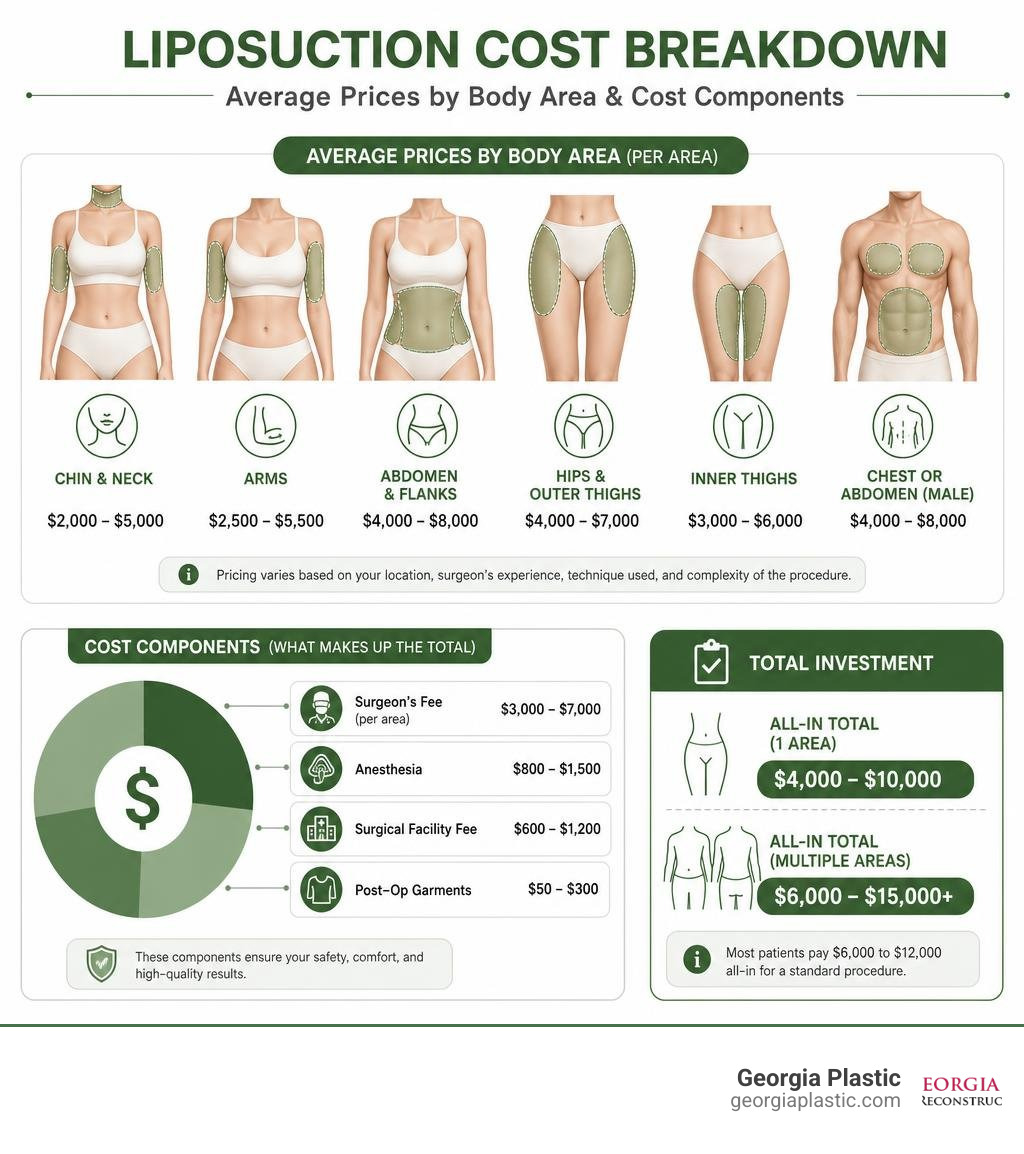
The cost of liposuction in the United States typically falls within the following ranges:
| What You’re Paying For | Typical Cost Range |
|---|---|
| Surgeon’s fee (per area) | $3,000 – $7,000 |
| Anesthesia | $800 – $1,500 |
| Surgical facility fee | $600 – $1,200 |
| Post-op garments | $50 – $300 |
| All-in total (1 area) | $4,000 – $10,000 |
| All-in total (multiple areas) | $6,000 – $15,000+ |
Quick answer: The American Society of Plastic Surgeons (ASPS) reports the average surgeon’s fee for liposuction is $4,711 — but that number does not include anesthesia, facility fees, or other expenses. Most patients pay $6,000 to $12,000 all-in for a standard procedure.
If you have stubborn fat that won’t budge no matter how well you eat or how often you exercise, liposuction is one of the most effective and permanent solutions available. But the price tag can feel overwhelming — especially when every clinic quotes something different.
The truth is, liposuction pricing varies a lot. Your final cost depends on which body areas you treat, where you live, your surgeon’s experience, and the technique used. This guide breaks all of it down clearly, so you know exactly what to expect before you book a consultation.
I’m Dr. Stanley Okoro, a double board-certified plastic surgeon and founder of Georgia Plastic and Reconstructive Surgery, and I’ve helped countless patients understand the real cost of liposuction — not just the advertised price, but everything that goes into a safe, high-quality result. Let’s walk through what you actually need to know.
Average Liposuction Pricing in 2026
When you start researching the financial side of body contouring, the first number you will likely encounter is the national average surgeon’s fee of $4,711. While this is an official statistic from the American Society of Plastic Surgeons, it is highly misleading if you use it as your total budget.
This baseline figure represents only the surgeon’s fee for a single treatment area. It completely excludes the essential supporting costs of surgery, such as operating room fees, the anesthesiologist’s time, and the post-operative supplies you will need during recovery. In reality, a realistic all-in total for a single-area procedure usually ranges from $4,000 to $10,000.
For the majority of patients, treating just one isolated pocket of fat is rarely the goal. Most people choose to address multiple adjacent zones—such as the upper abdomen, lower abdomen, and flanks—to achieve a balanced, natural-looking contour. When you opt for multi-area treatments, the overall price increases, but you actually save money on a per-area basis.
This is because you only pay the fixed, one-time fees—like general anesthesia and the surgical facility fee—once. Combining areas into a single surgical session is far more cost-effective than scheduling separate procedures months apart. To understand how these base fees convert into real-world totals, you can read our detailed breakdown on Liposuction Cost 101.
For a broader national perspective on how these averages shift based on patient demographics and clinical trends, you can also consult the How Much Does Liposuction Cost? (2026 Guide) | CostWhale.
Key Factors That Influence the Cost of Liposuction
No two bodies are identical, which means no two liposuction procedures are priced exactly the same. When a plastic surgeon evaluates your case, several distinct variables determine the final quote.
- Surgeon’s Experience and Credentials: A surgeon’s training and reputation play a massive role in pricing. Board-certified plastic surgeons who specialize in body sculpting command higher fees because of their extensive training, lower complication rates, and artistic precision. Choosing an underqualified provider to save a few dollars is a dangerous gamble; fixing a botched procedure with revision surgery is always far more expensive than paying for high-quality work the first time.
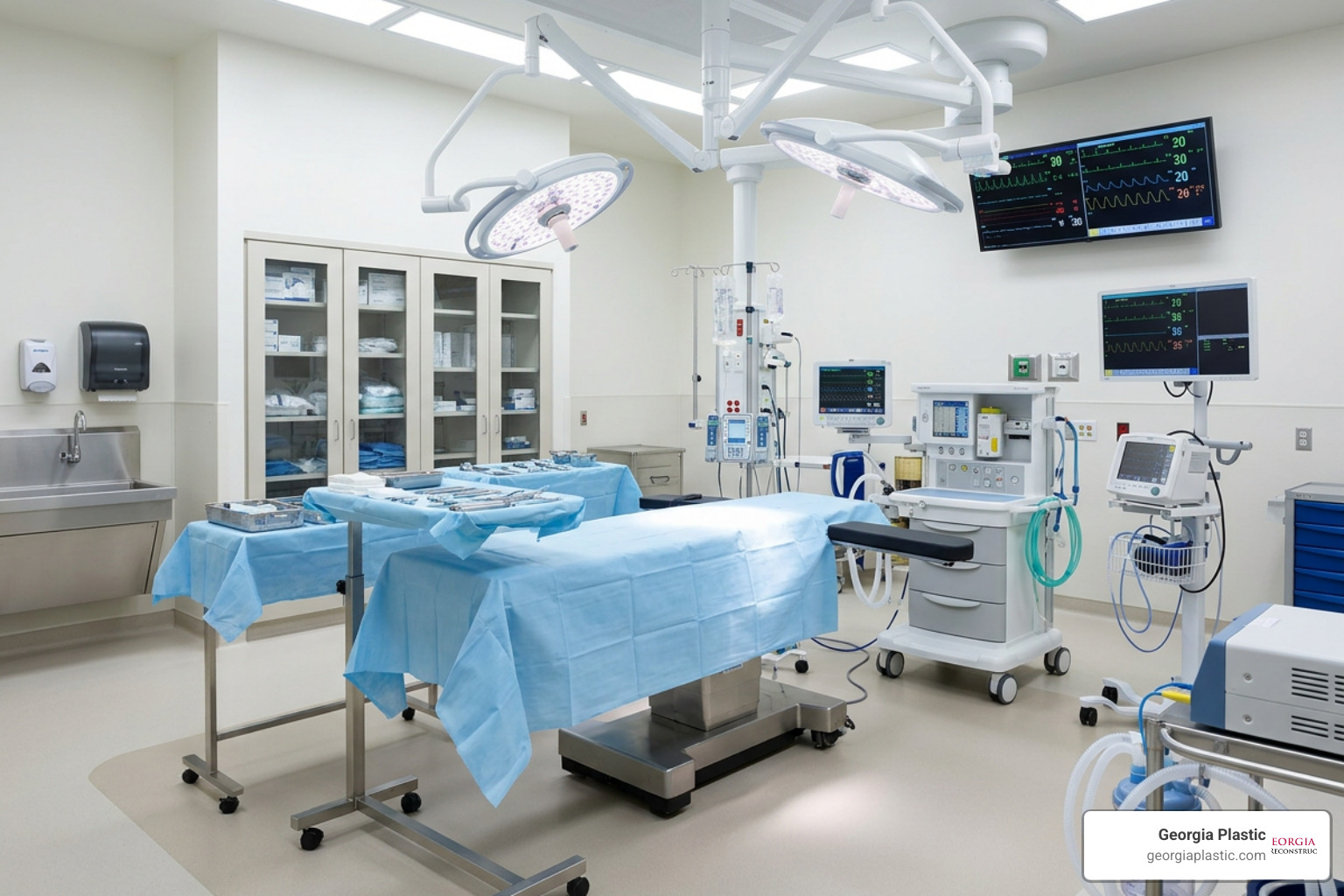
- Surgical Facility Fees: Where your surgery takes place matters. Undergoing your procedure in an accredited, state-of-the-art private surgical suite or a hospital ensures the highest standards of safety, but it comes with a facility fee that covers specialized staff, sterile equipment, and safety monitoring systems.
- Anesthesia Costs: Liposuction can be performed under local anesthesia with sedation (where you remain awake but completely relaxed and numb) or general anesthesia (where you are fully asleep). Local anesthesia is highly effective for smaller areas, reduces recovery times, and keeps costs lower. General anesthesia, which requires a certified anesthesiologist to monitor your vital signs throughout a more extensive multi-area procedure, typically adds around $1,000 to $1,500 to your bill.
- The Volume of Fat and Number of Areas: Safety guidelines strictly limit the amount of fat that can be safely removed in a single outpatient session to about 5 liters (roughly 11 pounds). If you require high-volume fat removal or want to target multiple zones, the procedure takes longer, which directly increases the facility and anesthesia fees.
To help you build an accurate budget, you must also account for several “hidden” expenses that patients often overlook. To explore these variables in greater depth, check out The Complete Guide to Liposuction Cost.
Hidden Liposuction Expenses to Budget For:
- Pre-Operative Medical Clearance: This includes blood work, lab tests, and sometimes an EKG to ensure you are healthy enough for surgery.
- Post-Surgery Compression Garments: You will need to wear medical-grade compression garments 24/7 for the first 4 to 6 weeks to minimize swelling and help your skin retract smoothly. These typically cost between $50 and $300.
- Prescription Medications: Pain relievers, anti-inflammatory drugs, and antibiotics to prevent infection during your initial recovery.
- Professional Lymphatic Drainage Massages: Many surgeons recommend 6 to 12 sessions of manual lymphatic massage starting the week of surgery to accelerate healing, prevent fluid buildup (seromas), and smooth out lumps. These sessions typically cost $75 to $150 each.
- Recovery Downtime: While most patients can return to a sedentary desk job within 3 to 7 days, you must factor in the cost of taking time off work if you do not have paid leave.
How Different Techniques Affect the Cost of Liposuction
The specific technology your surgeon uses to break up and extract fat cells will directly impact your bottom line. Traditional tumescent liposuction is the gold standard and serves as the baseline price. In this method, a sterile solution containing saline, lidocaine, and epinephrine is injected into the fat layer to numb the area, shrink blood vessels, and make the fat easier to suction out.
However, modern advancements have introduced energy-based technologies that offer distinct benefits:
- Laser-Assisted Liposuction (SmartLipo): This technique uses laser energy to liquefy fat cells before they are gently suctioned out. The heat from the laser also stimulates collagen production, which can provide a mild skin-tightening effect. Because of the expensive laser equipment and specialized training required, this technology typically adds a premium of $1,000 to $2,000 over traditional methods. If you are curious about local pricing for this specific technology, you can read more about How Much Does Laser Lipo Cost in Atlanta, Anyway?.
- Ultrasound-Assisted Liposuction (VASER): VASER utilizes high-frequency ultrasound waves to selectively break apart fat cells while leaving surrounding blood vessels, nerves, and connective tissues largely undisturbed. This leads to less bruising, faster recovery times, and highly precise high-definition sculpting. VASER is particularly popular for male abdominal sculpting and lipedema treatments, but it carries an equipment premium of $1,000 to $3,000 per area.
- Power-Assisted Liposuction (PAL): This method uses a vibrating cannula that rapidly moves back and forth, allowing the surgeon to break up dense, fibrous fat (common in the back, chest, or revision cases) with less physical effort and trauma to your tissues.
How Geographic Location Impacts Pricing
Just like real estate, plastic surgery costs are heavily influenced by local economics. If you seek treatment in major metropolitan areas with a very high cost of living—such as New York City, San Francisco, or Beverly Hills—you will pay a premium. For example, a single-area liposuction procedure in San Francisco averages around $10,000 and can easily exceed $15,000 depending on the surgeon’s prestige.
Conversely, choosing a practice in a highly competitive but more affordable market can yield significant savings without sacrificing clinical quality. Suburban practices and mid-sized cities often offer world-class, board-certified expertise at a fraction of the price of a downtown Manhattan or Beverly Hills clinic.
In Atlanta, for instance, patients have access to top-tier, board-certified plastic surgeons operating in state-of-the-art facilities, but with average costs that are far more reasonable than those on the West or East Coasts. To see how local market dynamics shape pricing in our region, take a look at our Liposuction Cost Atlanta Guide.
Pricing Breakdown by Treatment Area
The size of the treatment zone and the complexity of the fat deposits in that area are major pricing determinants. Smaller areas require less surgical time, while larger or highly fibrous areas require more effort and precision.
| Treatment Area | Average National Price Range (All-In) | Key Considerations |
|---|---|---|
| Double Chin / Neck | $2,000 – $5,000 | Often performed under local anesthesia; quick recovery. |
| Upper Arms | $3,000 – $5,500 | Requires precise contouring to avoid skin laxity. |
| Abdomen (Upper & Lower) | $4,000 – $8,000 | The most common treatment area; highly variable fat volume. |
| Flanks / Love Handles | $3,000 – $5,000 | Excellent for defining the waistline; often paired with the abdomen. |
| Thighs (Inner & Outer) | $4,000 – $7,000 | Requires symmetrical sculpting on both legs. |
| Lipo 360 (Full Torso) | $8,000 – $15,000+ | Comprehensive midsection transformation; higher surgical time. |
The Cost of Liposuction for the Stomach and Midsection
The abdomen is the most common area patients want to address, but it is also one of the most complex. A simple, localized treatment on the lower stomach is relatively straightforward. However, most patients require treatment of both the upper and lower abdomen, which typically ranges from $4,000 to $8,000.
For a comprehensive midsection transformation, many patients choose Lipo 360. Unlike traditional abdominal liposuction, Lipo 360 targets the entire circumference of your midsection, including the upper and lower abdomen, the flanks (love handles), and the mid-to-lower back. This circumferential approach creates a highly dramatic, hourglass silhouette. Because it involves multiple zones, Lipo 360 ranges from $8,000 to $15,000 or more. You can read a complete analysis of these midsection pricing factors in our guide, How Much Does It Cost to Get Liposuction on Your Stomach?.
Liposuction vs. Tummy Tuck: Which Do You Need?
A common point of confusion is deciding between liposuction and a tummy tuck (abdominoplasty).
- Liposuction is strictly a fat-removal procedure. It is ideal for patients under 40 who have good skin elasticity and strong abdominal muscles, but who struggle with localized fat deposits.
- A Tummy Tuck is a more invasive reconstructive surgery. If you have stretched, sagging skin (often from pregnancy or massive weight loss) or separated abdominal muscles (diastasis recti), liposuction alone will leave you with loose, hanging skin. A tummy tuck removes that excess skin and surgically tightens the underlying muscles.
While abdominal liposuction averages around $6,000, a tummy tuck averages $8,000 to $12,000. Many patients benefit from combining both procedures (often called a “Mommy Makeover”) to simultaneously remove stubborn fat and tighten loose skin.
Typical Price Ranges for Flanks, Thighs, and Arms
Outside of the stomach, there are several other key areas where stubborn fat loves to accumulate:
- Flanks (Love Handles): Sculpting the flanks is highly effective for both men and women to restore a youthful, tapered waistline. Treating this area typically costs between $3,000 and $5,000. For a deeper look at what to expect when targeting this specific zone, see Love Handles Begone: What Does Liposuction Actually Cost?.
- Thighs: Treating the thighs usually involves addressing either the inner thighs (to create a gap or reduce chafing) or the outer thighs (to smooth out “saddlebags”). Treating both legs symmetrically ranges from $4,000 to $7,000.
- Upper Arms: Arm liposuction removes the stubborn fat pockets that cause “bat wings.” It requires incredibly fine, artistic contouring to ensure the remaining skin retracts smoothly over the muscle, typically costing $3,000 to $5,500.
- Chin and Neck: Submental liposuction is a highly popular, minimally invasive option that can eliminate a double chin and define your jawline. Because it is a small area that can easily be treated under local anesthesia in under an hour, it is one of the most affordable options, ranging from $2,000 to $5,000.
Frequently Asked Questions about Liposuction
Does health insurance cover liposuction?
Because liposuction is an elective cosmetic procedure designed to improve your physical appearance rather than treat a medical disease, standard health insurance plans do not cover it.
However, there are a few rare, medically documented exceptions where health insurance may cover or partially cover the procedure:
- Lipedema Treatment: Lipedema is a painful, chronic medical condition characterized by a symmetrical, abnormal buildup of fat in the legs and arms that does not respond to diet or exercise. When conservative treatments fail, specialized lymphatic-sparing liposuction (like VASER or SAFELipo) is medically necessary to restore mobility and reduce pain.
- Gynecomastia: In severe cases where male breast development causes physical pain, skin breakdown, or functional impairment, insurance may cover surgical correction.
- Reconstructive Surgery: If liposuction is used as part of a reconstructive procedure following trauma, cancer surgery (such as breast reconstruction fat grafting), or post-bariatric skin removal, certain portions of the procedure may be eligible for coverage.
What financing and payment options are available?
We believe that financial constraints should not stand in the way of your confidence and self-esteem. Because cosmetic surgery is an investment in yourself, nearly all reputable plastic surgery practices offer flexible payment options:
- CareCredit: This is a dedicated medical credit card that allows you to finance your procedure with no upfront costs. They frequently offer promotional periods of 6, 12, 18, or 24 months with 0% interest, allowing you to pay for your surgery in manageable monthly installments.
- Alphaeon Credit: Similar to CareCredit, Alphaeon offers patient-specific financing plans with competitive interest rates and flexible credit limits designed specifically for aesthetic procedures.
- Personal Loans and HELOCs: Some patients choose to secure a low-interest personal loan from their bank or utilize a Home Equity Line of Credit (HELOC) to fund larger, combined procedures.
- In-House Payment Plans: Many practices allow you to pay a deposit to secure your surgery date and make regular payments leading up to your procedure.
Is liposuction worth the investment?
When evaluating the cost of liposuction, it helps to look at the long-term value. According to patient surveys across major plastic surgery platforms, liposuction consistently maintains a satisfaction rate of over 90%.
Why is satisfaction so high? Unlike temporary non-surgical fat reduction treatments (like CoolSculpting, which only reduces fat by 20-25% per session and requires multiple expensive visits), liposuction physically removes 70% to 80% of the fat cells in the treated area in a single, highly precise surgical session.
Once those fat cells are suctioned out, they are gone forever. Your body does not grow new fat cells in that area. If you maintain a stable weight through a balanced diet and regular exercise, your new, sculpted contours will be permanent. The long-term boost in self-confidence, improved clothing fit, and daily comfort make it an incredibly high-value investment for the vast majority of patients.
Conclusion

At Georgia Plastic & Reconstructive Surgery, our double board-certified plastic surgeon, Dr. Okoro, and our highly experienced medical team are dedicated to providing personalized care that prioritizes your safety and delivers beautiful, natural-looking results. We understand that your body contouring journey is highly personal, and we tailor every procedure to match your unique anatomy and aesthetic goals.
When shopping around for liposuction, a quote significantly below the market average is a major red flag, not a bargain. Low prices often mean the provider is not a board-certified plastic surgeon, is operating in an unaccredited facility, or is cutting corners on safety and anesthesia.
To get an accurate, fully itemized quote with no hidden surprises, we invite you to schedule a personal consultation with us. We will evaluate your candidacy, discuss your goals, and provide a transparent, all-inclusive financial plan. To learn more about preparing for your procedure, explore our Atlanta Liposuction Complete Guide or visit our dedicated Georgia Plastic Liposuction Services page to take your first step toward a more confident you.


